

What lenders don’t tell you: the interest rate is only the sticker price.
Most of the real cost hides in points, origination fees, and closing charges that show up on your Loan Estimate and can add thousands to your total.
This post will show you, step by step, how to total upfront fees, turn points into dollars, model monthly payment shifts, and calculate the break-even so you know if buying points pays off for your timeline.
Read on to compare offers the right way and avoid surprises at closing.
Key Steps for Evaluating Total Borrowing Cost Beyond Rates
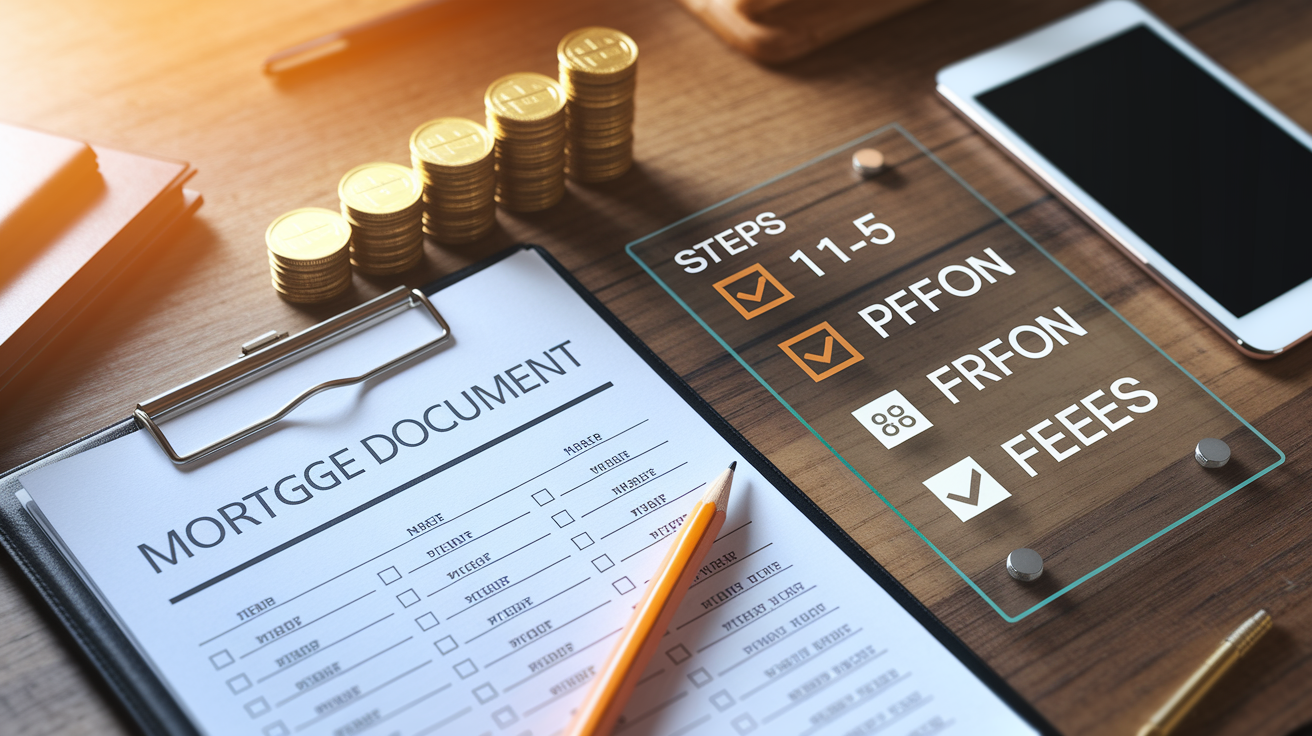
Total borrowing cost is everything you pay, upfront and over time. Not just your monthly payment. You’re looking at interest, origination fees, discount points, and any closing costs that get rolled into your balance. When lenders advertise rates, they’re showing you one piece. The rest shows up on your Loan Estimate, and that’s where thousands of extra dollars hide.
Discount points and origination fees pull your costs in different directions. Points cost cash at closing (usually 1% of your loan amount per point), but they drop your rate so you pay less monthly. Origination fees cover the lender’s processing and bump up your cash needed to close, but they don’t touch your rate. If you finance either by rolling them into the loan, you’ll pay interest on that balance for years. That’s why watching only the monthly payment misses what really matters.
APR bundles your rate and most upfront fees into one number, so comparing lenders gets easier even when their fee structures look different. Break-even math tells you how long you need to keep the loan before points pay for themselves through monthly savings. If you’re planning to refinance in three years but break-even is five, paying points just costs you money.
Here’s how to evaluate everything in five steps:
- Total all upfront fees. Add origination fees, discount points, and closing costs to see what you need at closing.
- Convert points to dollars. Multiply your loan amount by the points percentage. A $200,000 loan with one point costs $2,000.
- Model monthly payment changes. Use a calculator to see how each rate option shifts your payment and total interest.
- Calculate break-even. Divide the cost of points by your monthly savings to find how many months until you come out ahead.
- Compare APR and total interest over your actual ownership period. Use the loan term you expect to keep, not the full 30 years, to see which offer costs less.
Understanding Origination Fees Within Total Borrowing Cost
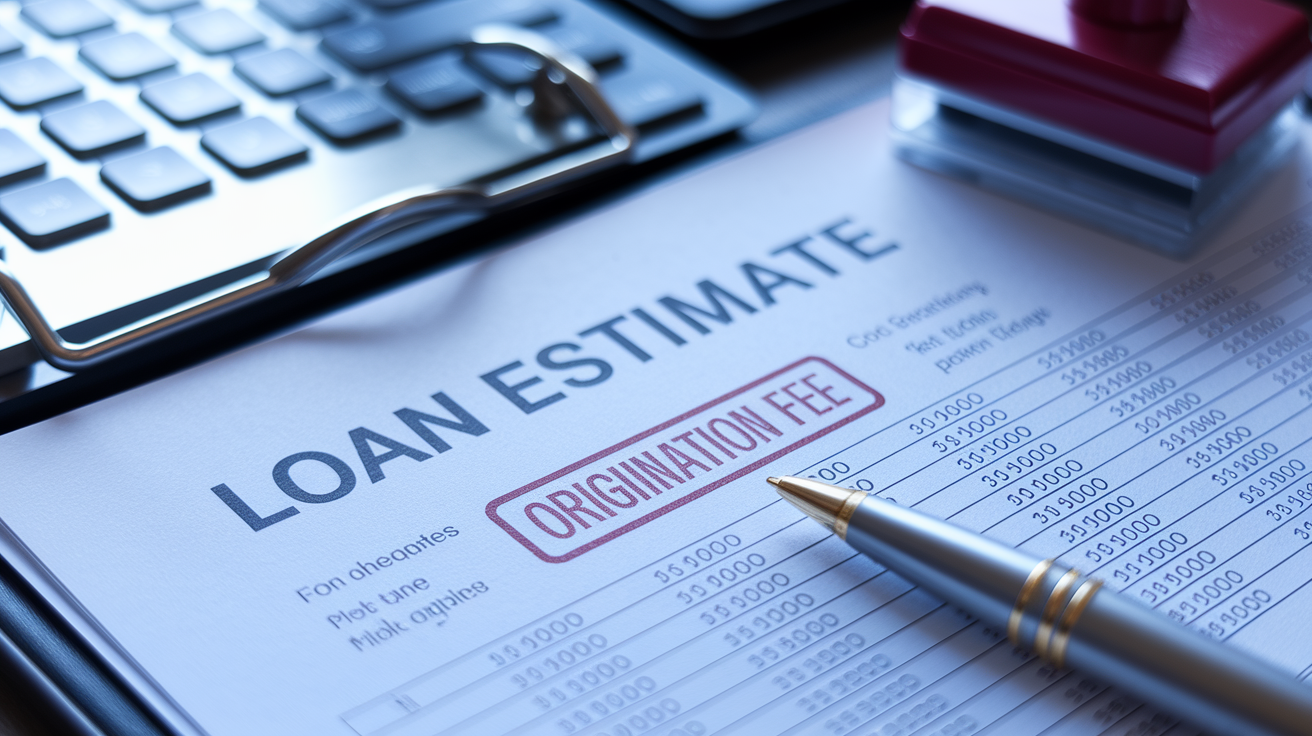
Origination fees cover underwriting, document prep, and processing. They show up on your Loan Estimate and can run from a few hundred to several thousand dollars, depending on the lender and loan type. Some lenders call it one “origination fee.” Others itemize it as processing, underwriting, or application fees. Either way, these costs increase your APR and your cash needed to close. And if you roll them into your loan balance, you’ll pay interest on them for the life of the loan.
Lenders must give you a Loan Estimate within three days of applying, but those numbers are estimates and can increase by up to 10%. A fee quoted at $1,500 could legally climb to $1,650 by closing, adding hundreds more. Origination fees are often negotiable, especially if you’re comparing multiple lenders or working with a community bank. It’s worth asking if they can be reduced or waived.
Typical origination and lender fees include:
- Origination fee (covers overall loan processing)
- Underwriting fee (pays for credit review and risk assessment)
- Processing fee (administrative costs)
- Application fee (charged when you apply, sometimes non-refundable)
- Document preparation fee (for drafting loan paperwork)
- Courier or wire fees (for transferring documents or funds)
How Discount Points Affect Lifetime Loan Costs
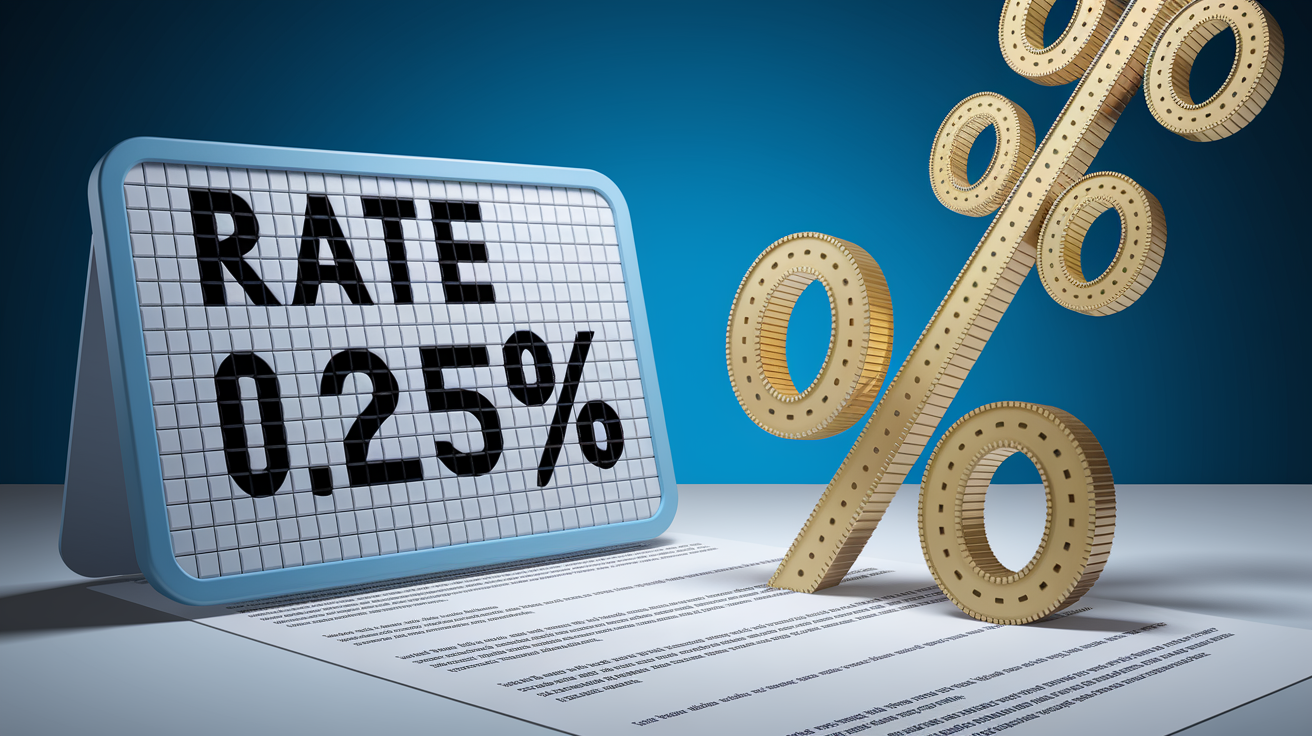
Discount points are prepaid interest you pay at closing to drop your rate for the entire life of a fixed-rate mortgage. One point equals 1% of your loan amount. On a $200,000 loan, one point costs $2,000. The usual trade is about 0.25% off your rate per point, though the exact reduction depends on the lender and market. Most lenders let you buy up to three or four points, but after the first one or two, the rate drop often shrinks.
Points make sense if you keep the loan long enough to recover the upfront cost through monthly savings. The break-even period is how many months it takes for your lower payment to equal what you paid for the points. If your break-even is 60 months and you refinance or sell in year four, you lose money. If you stay for ten years, you save thousands. The key is matching the upfront cost to your realistic timeline, not your ideal one.
Here’s a side-by-side example on a $200,000 loan:
No points:
Upfront cost: $0
Interest rate: 6.00%
Monthly principal and interest: $1,199
One point:
Upfront cost: $2,000 (1% × $200,000)
Interest rate: 5.75%
Monthly principal and interest: $1,167
Monthly savings: $32
Break-even: $2,000 ÷ $32 = 62.5 months (about 5 years)
Keep the loan for five years or more and the one-point option saves you money. Sell or refinance in year three and you’re out $2,000 with nothing to show for it.
APR vs Interest Rate When Evaluating Total Cost

APR is annual percentage rate, and it includes both your interest rate and most of your upfront loan fees. Origination fees, discount points, certain closing costs. All expressed as a single annual percentage. The interest rate on your loan only tells you what you’ll pay on the principal each month. APR tells you what the loan actually costs when you factor in the fees you paid to get it. That’s why a loan advertised at 5.5% interest might have an APR of 5.75% once fees are baked in.
The Truth in Lending Act requires lenders to disclose APR so you can compare loans with different fee structures on equal footing. If Lender A offers 5.5% with $3,000 in fees and Lender B offers 5.75% with $500 in fees, the interest rate alone won’t tell you which deal costs less. APR captures the real cost over the life of the loan, making it the best single number for comparison. Just remember that APR assumes you’ll keep the loan for its full term. If you plan to refinance or sell early, you’ll want to calculate your own break-even point separately.
| Rate Type | What It Includes | When to Use |
|---|---|---|
| Interest Rate | Cost of borrowing the principal only | For calculating monthly payment amount |
| APR | Interest rate + origination fees + discount points + certain closing costs | For comparing total loan cost across lenders |
Worked Example: Calculating Total Borrowing Cost With Fees and Points

Let’s walk through a full comparison using a $200,000 mortgage with typical closing costs and two point options. Assume closing costs equal 4% of the loan amount ($8,000), an origination fee of 1% ($2,000), and a 30-year fixed term. We’ll compare paying zero points with a higher rate against paying one point to lower it.
Scenario A: Zero points
Loan amount: $200,000
Origination fee: $2,000
Other closing costs: $8,000
Total upfront cash: $10,000
Interest rate: 6.00%
Monthly payment (P&I): $1,199
Total interest over 30 years: $231,640
APR: approximately 6.15%
Scenario B: One point
Loan amount: $200,000
Discount point cost: $2,000
Origination fee: $2,000
Other closing costs: $8,000
Total upfront cash: $12,000
Interest rate: 5.75%
Monthly payment (P&I): $1,167
Total interest over 30 years: $220,120
APR: approximately 6.00%
The one-point option costs an extra $2,000 upfront but saves $32 per month. Break-even is $2,000 ÷ $32 = 62.5 months, just over five years. Keep the loan for ten years and you save $11,520 in total interest over that period ($3,840 in monthly savings over 120 months, minus the $2,000 upfront cost). Refinance in year four and you’re out the $2,000 with no payback. The APR is lower in Scenario B because the point cost spreads over the full 30-year term, but your actual savings depend on how long you hold the loan.
| Scenario | Upfront Cost | Monthly Payment | Break-even |
|---|---|---|---|
| Zero points | $10,000 | $1,199 | n/a |
| One point | $12,000 | $1,167 | 62.5 months |
Comparing Lenders and Evaluating Total Borrowing Packages

When you compare lenders, don’t stop at interest rates or monthly payments. Look at everything: APR, total upfront fees, financed costs, and any lender credits that offset closing costs. Some lenders offer “no-closing-cost” mortgages, which sound good but usually mean the lender either raises your rate or rolls the closing costs into your balance. Either way, you’re still paying. Just over time instead of upfront, and with interest added on top.
Community banks and local lenders often offer more flexibility on fees than large national lenders. They’re willing to negotiate origination fees or discount point pricing, especially if you bring multiple offers to the table. Request itemized fee sheets from every lender, not just a rate quote, so you can compare apples to apples. Pay attention to whether closing cost estimates include the same items. Some lenders exclude title insurance or escrow deposits from initial quotes, then surprise you at closing.
Key Comparison Factors:
- APR. Captures rate plus fees in one number
- Total interest paid. Calculate over your expected ownership period, not the full loan term
- Financed fees. If closing costs or points roll into the loan, you’ll pay interest on them for years
- Cash to close. Total upfront dollars required, including down payment, fees, and points
- Break-even for points. How long before paying points pays off
- Lender credits. Some lenders offer credits that reduce upfront costs in exchange for a slightly higher rate
- Adjustable rate considerations. If you’re comparing an ARM, model the total cost through the first rate adjustment, not just the intro period
Tools and Formulas for Evaluating Borrowing Cost

You don’t need complicated software. A simple spreadsheet and a few formulas will do it. Start with your loan amount, the percentage for discount points and origination fees, your estimated closing costs (3 to 5% of purchase price), and the interest rate options you’re comparing. Plug in your expected years of ownership, not the full 30-year term, because most people refinance or sell long before the loan matures.
Run the numbers for each scenario. One with zero points, one with one point, one with two points if the lender allows it. Calculate your upfront cost, monthly payment, total interest over your expected ownership period, and break-even timing. If you’re considering rolling closing costs into the loan, add those dollars to your principal and re-run the amortization to see how much extra interest you’ll pay. The goal is comparing total dollars out of pocket over the time you’ll actually keep the loan, not just the advertised rate or monthly payment.
Here’s the step-by-step calculator process:
- Compute point dollars. Multiply your loan amount by the points percentage. $250,000 × 1% = $2,500 for one point.
- Add all upfront fees. Points + origination fee + closing costs = total cash to close.
- Model monthly payment. Use an amortization calculator to find the monthly principal and interest payment for each rate option.
- Calculate break-even. Divide the upfront cost of points by the monthly payment savings to find the break-even in months.
- If financing fees, compute added interest. Add financed fees to your loan amount and run the amortization schedule to see the lifetime interest increase.
- Compare APR and total interest over expected ownership. Multiply your monthly payment by the number of months you expect to keep the loan, then add upfront costs to find the all-in total.
Decision Factors That Influence True Borrowing Cost

Whether paying points or origination fees makes sense depends on how long you’ll keep the loan and how much cash you have at closing. Planning to stay in the home for ten years or more? Paying one or two points to lower your rate usually saves money over the long run. Planning to refinance in two years or sell in three? Those upfront fees become sunk costs with no payback. The break-even calculation tells you the minimum ownership period before points pay off. Use a realistic estimate, not a hopeful one.
Refinancing risk matters. If rates drop in the next few years, you might refinance and lose any benefit from points you paid on the original loan. No-closing-cost loans shift the cost burden into a higher rate, which can make sense if you don’t have the cash for closing or if you know you’ll refinance soon. Just understand you’re still paying. Monthly, with interest, instead of upfront.
Cash to close limits are real for most borrowers. If paying points would force you to drain your emergency fund or skip necessary home repairs, the higher upfront cost isn’t worth the long-term savings. In that case, choose the zero-point option, keep your cash cushion, and plan to refinance or make extra payments later when you have more flexibility. Points provide net long-term savings only when you have the upfront cash and the ownership timeline to recover the cost through lower monthly interest.
Final Words
in the action, we broke down what “total cost” really means, interest plus upfront fees, points, and any financed costs, and showed how origination fees and discount points change both your cash-to-close and long-term interest.
You learned to use APR and a break-even calculation, saw a worked example, and got spreadsheet steps to compare lenders apples-to-apples.
Use the five-step checklist and a mortgage calculator to see real numbers and ask for a Loan Estimate. Knowing how to evaluate total cost of borrowing including points and origination fees makes smarter choices possible.
FAQ
Q: How to compute the total cost of borrowing?
A: The total cost of borrowing is computed by adding interest paid over the loan life plus all upfront and recurring fees (points, origination, closing costs), factoring financed fees and using APR and break-even to compare offers.
Q: Should I pay points or a higher origination fee?
A: Deciding between paying points or a higher origination fee depends on your cash, how long you’ll keep the loan, and the break-even; points lower rate, origination fees are upfront or financed—compare APR and break-even months.
Q: Can a 70 year old woman get a 30 year mortgage?
A: A 70-year-old woman can get a 30-year mortgage if she meets income, credit, and DTI rules; lenders often consider retirement income, reserves, or require a co-borrower, so shop lenders and compare rules.
Q: What is the 3 7 3 rule in mortgage?
A: The 3-7-3 rule in mortgage is not a universal standard; lenders may use it differently for rate buydowns, fee splits, or staffing guidelines—ask your lender what it means and how it affects cost or qualification.