

A secured credit card can be the fastest, lowest-risk way to rebuild your credit, if you use it right.
It’s basically borrowing against your own deposit, but the card still builds a tradeline when the issuer reports your activity.
In this post I’ll give clear steps you can start today: pick a card that reports to all three bureaus, use small recurring charges, keep your balance low, pay on time, monitor your reports, and aim to upgrade when ready.
No fluff. Real actions.
Core Steps for Using a Secured Credit Card to Rebuild Credit

A secured credit card requires a refundable cash deposit that usually becomes your credit limit. The deposit lowers the issuer’s risk, which makes approval easier even if your credit’s in rough shape or you don’t have any history at all. When the issuer reports your payment activity to the three major bureaus (Experian, Equifax, and TransUnion), the account creates a positive tradeline on your file. You’re basically borrowing against your own money, but the card works exactly like any other credit card for purchases, statements, and interest.
The rebuilding strategy is simple: consistent, low balance usage paired with on-time payments. Use the card regularly for small purchases. Think $10 to $50 per month, not letting it collect dust or maxing it out. Keeping your statement balance well below your credit limit improves your utilization ratio, which is the second biggest scoring factor after payment history. High utilization (above 30% of your limit) can hurt your score even when you pay on time.
Five steps to follow:
- Pick a secured card that reports to all three bureaus and charges low or no annual fees.
- Use it for one or two small recurring expenses each month, like a streaming service or phone bill.
- Keep your balance under 30% of your limit. Aim for under 10% if you can.
- Pay on time every single month. Set up autopay for at least the minimum to avoid late marks.
- Check your credit reports monthly to confirm accurate reporting and catch errors early.
Most people start seeing credit file activity within a few billing cycles. Score improvement follows once several months of positive payment history stack up.
Choosing the Best Secured Card for Responsible Credit Rebuilding
Not all secured cards help you rebuild credit effectively. The most important feature is bureau reporting: confirm the issuer reports your payment history to all three major bureaus. If a card doesn’t report, it won’t build credit, no matter how well you use it. After reporting, focus on low fees, reasonable APRs, and a clear path to upgrade to an unsecured card once you’ve proven yourself.
Annual fees on secured cards usually run from $0 to around $49. Cards with no annual fee save you money and keep your rebuilding costs low. APRs often sit between 15% and 30%, but these rates matter less if you pay your statement balance in full each month and skip carrying a balance. Some secured cards also offer modest rewards like 1% cash back. Nice bonus, but never let it outweigh reporting and fees when you’re picking a card to rebuild credit.
| Card Feature | What to Look For |
|---|---|
| Bureau Reporting | Must report to Experian, Equifax, and TransUnion |
| Annual Fee | $0 is ideal; up to $49 is reasonable if other features are strong |
| APR | 15%–30% is typical; pay in full to avoid interest charges |
| Upgrade Path | Clear policy for automatic review or upgrade to unsecured after 6–12 months |
| Minimum Deposit | $200–$300 makes the card accessible; higher deposits increase your starting limit |
When you’re comparing offers, ask the issuer directly about their reporting practices and upgrade timeline. Some issuers review accounts automatically after a set period. Others make you request an upgrade. Transparent policies and responsive customer service make the rebuilding process smoother and less stressful.
Responsible Daily Practices With a Secured Credit Card
Building credit with a secured card is less about big purchases and more about consistent, low cost habits. Use the card for one or two small, predictable expenses each month. Something like a $15 subscription or a $30 gas station fill up works well. This creates regular activity without running up balances that push your utilization too high. Each small transaction, followed by an on-time payment, adds another positive data point to your credit file.
Paying on time every month is the most important habit. Payment history accounts for the largest chunk of your credit score, and even one late payment can stay on your report for seven years. Set up autopay for at least the minimum due so you never miss a due date, then log into your account and pay the full statement balance before the closing date to avoid interest and keep your reported balance low. Paying before the statement closes means the bureau sees a lower balance when the issuer reports your account.
Daily and monthly practices to follow:
- Charge one small recurring purchase to the card each billing cycle.
- Keep your statement balance under 10% of your credit limit whenever possible.
- Review your monthly statement as soon as it arrives to confirm all charges are correct.
- Pay your balance in full before the statement closing date to avoid interest and minimize reported utilization.
- Enable autopay as a backup to catch the minimum payment if you forget to pay manually.
These habits feel small in the moment, but they compound into positive credit history over time. If you can’t pay the full balance, always pay at least the minimum on time, then pay down the rest as quickly as your budget allows. The goal is to show you can manage credit responsibly, month after month.
Monitoring Credit Progress While Using a Secured Card
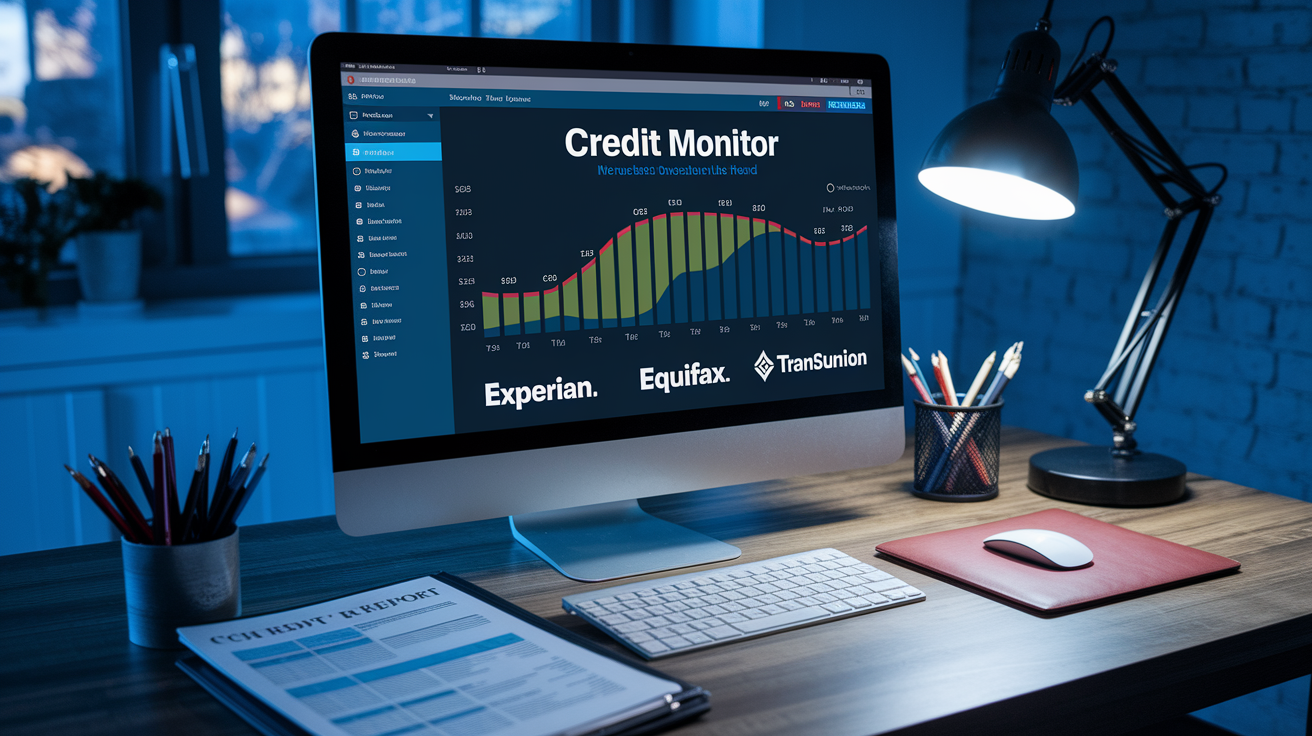
Regular monitoring tells you whether your secured card’s actually helping your credit file and alerts you to errors or unexpected changes. Most people can access free credit monitoring through their bank, credit card issuer, or third party apps that refresh your score monthly. Pull your full credit reports at least once per year from each bureau to see detailed tradeline information, payment history, and any negative marks.
Your secured card should appear on your credit reports within a billing cycle or two after you open it. Check that the account’s being reported correctly: the credit limit should match your deposit, payments should appear as on time, and your balance should reflect the statement amount. If you spot missing payments or incorrect balances, contact the issuer first, then file a dispute with the bureau if the error isn’t corrected quickly.
Four items to monitor each month:
- Your credit score and any month over month changes
- New tradelines appearing on your reports
- Current utilization ratios across all your credit accounts
- Any negative marks, collections, or hard inquiries you don’t recognize
Catching errors early makes disputes simpler. If you find incorrect information, file a dispute within 30 days of discovering it. Bureaus typically investigate within 30 days, and removing a false late payment or incorrect balance can produce immediate score gains.
Credit Score Improvement Timeline When Using a Secured Card
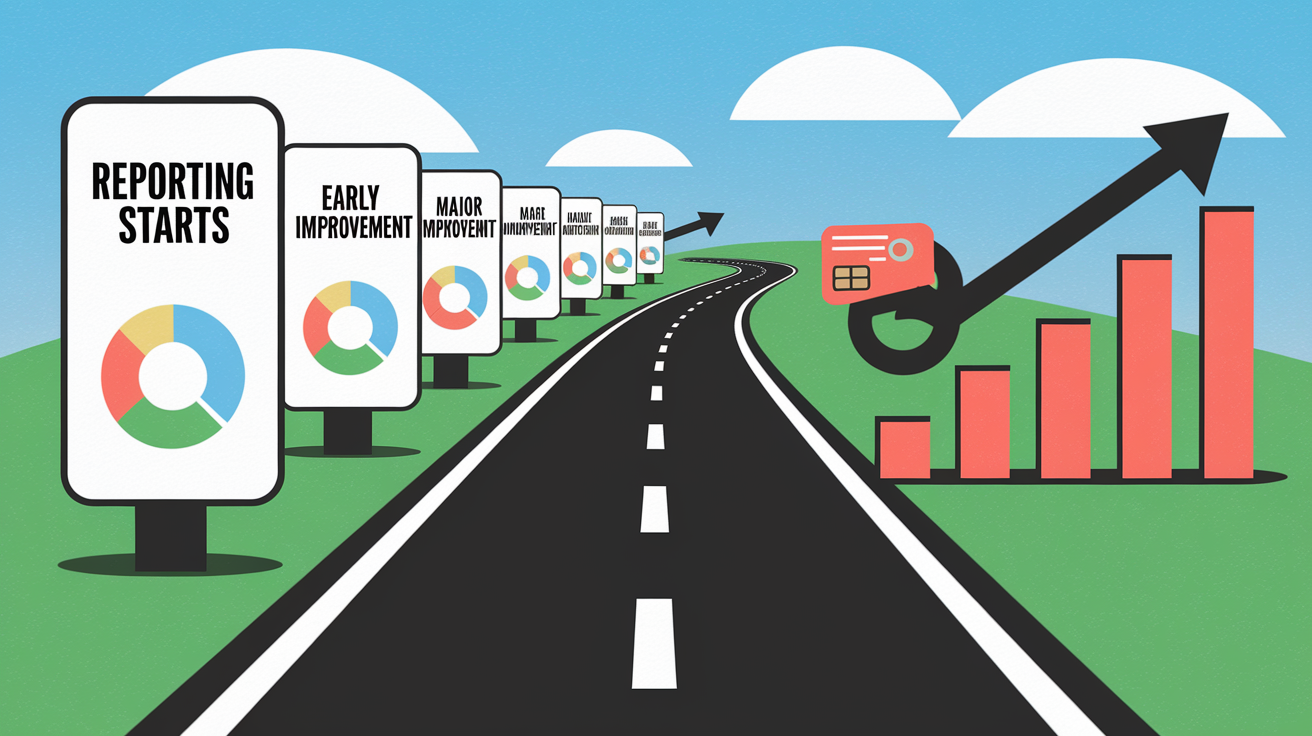
Most people see their secured card appear on their credit reports within the first few billing cycles after opening the account. Once the tradeline’s active and reporting, small score changes often occur within the first few months, especially if you had very little credit history before. These early gains reflect the new account adding payment history and credit mix to your file.
More meaningful improvements typically arrive after several months of consistent behavior. If you’re rebuilding from a low score, reaching a “fair” or “good” range often takes steady on-time payments and low utilization over a longer period. Account age also plays a role: the longer you keep the secured card open and in good standing, the more it helps your average account age and credit mix. Scores can keep rising over time as negative marks from your past age off your report and positive history accumulates.
| Timeline Stage | What Typically Happens |
|---|---|
| Reporting Starts | Account appears on credit reports within 1–3 months after opening |
| Early Improvement | Minor score changes often visible in 3–6 months with on-time payments and low utilization |
| Major Improvement | Meaningful gains typically occur in 6–12+ months as positive history builds and account age increases |
Your individual timeline depends on your starting score, the number and severity of negative marks already on your report, and how consistently you use the card responsibly. If you’re starting from no credit history, progress can be faster because there’s no negative history to overcome. If you’re rebuilding after missed payments or collections, it takes longer for the positive data to outweigh the old negatives.
Upgrading From a Secured Card to an Unsecured Card

Many secured card issuers offer a path to upgrade your account to an unsecured card once you’ve shown responsible use. This upgrade, often called “graduation,” returns your security deposit and converts your account into a regular credit card with better terms, higher limits, or rewards. Some issuers review accounts automatically after a set period. Others require you to request an upgrade once you meet the criteria.
When you upgrade or close a secured card account in good standing, the issuer refunds your deposit, usually within a few weeks. The account stays on your credit report with the same opening date, so you don’t lose the account age or positive payment history. Upgrading is almost always better than closing the card and opening a new unsecured card elsewhere, because keeping the account open preserves your credit age and avoids a hard inquiry from a new application.
You’re likely ready to request an upgrade if:
- You’ve made on-time payments consistently for several months with no late marks.
- Your utilization has stayed low, ideally under 30% and often under 10%.
- You’ve kept the account active with regular small purchases and payments.
- The issuer’s upgrade policy indicates you’ve met the minimum time or behavior requirements.
If your issuer doesn’t offer an automatic upgrade, call customer service and ask about the process. Some issuers will review your account and approve an upgrade on the spot if you meet their criteria. Others may require a soft credit check or a formal request through your online account portal.
Alternatives That Support Secured Card Credit Rebuilding
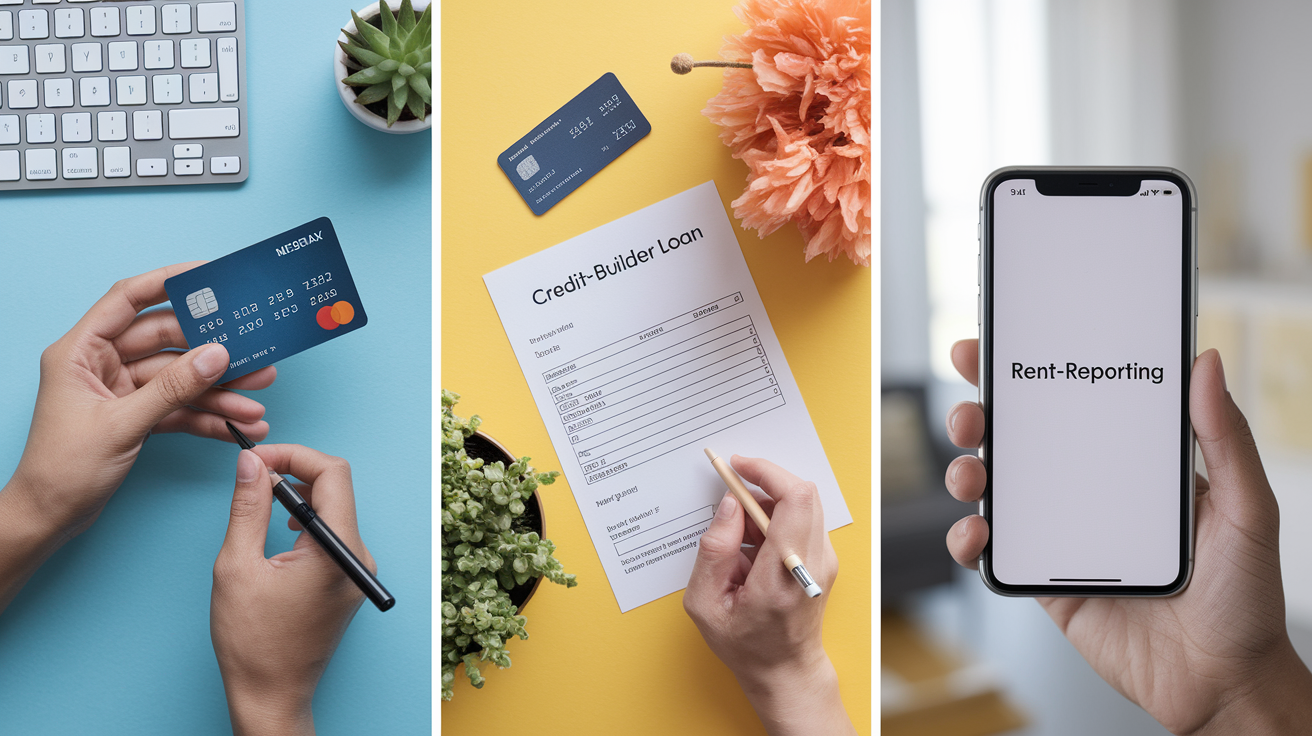
A secured credit card is one of the most reliable ways to rebuild credit, but it’s not the only tool. Combining a secured card with other credit building strategies can speed up your progress and create a more diverse credit profile. These alternatives work best when the issuer or service reports your activity to the major credit bureaus, just like a secured card does.
Becoming an authorized user on someone else’s credit card is one of the fastest ways to add positive payment history to your credit file. If the primary cardholder has a long account history, low utilization, and on-time payments, those factors can appear on your credit report as well. Before you agree to authorized user status, confirm that the card issuer reports authorized users to the bureaus and check that the primary cardholder’s account is in excellent standing. A late payment on their account will hurt your credit, too.
Three common alternatives to pair with a secured card:
- Authorized user on a well managed account. Adds positive history quickly if the primary cardholder has good credit habits and the issuer reports authorized users.
- Credit builder loan. A small loan held by the lender while you make monthly payments; payments are reported to the bureaus, and you receive the funds after the loan’s paid off.
- Rent and utility reporting services. Services that add on-time rent, utility, or subscription payments to your credit file; these can help thin credit files but are less influential than credit card or loan tradelines.
These tools are complements, not replacements. A secured card remains the most direct way to build revolving credit history, which is a key part of a strong credit profile.
Common Mistakes to Avoid When Using a Secured Credit Card

Using a secured card responsibly means avoiding the behaviors that can undo your progress or keep your credit score stuck. The most damaging mistake is missing payments or paying late. Late payments are reported to the bureaus and can stay on your credit report for seven years, dragging down your score even if you make every payment on time afterward. Set up autopay or payment reminders so you never miss a due date.
Maxing out the card or carrying high balances is another common pitfall. Even if you pay the minimum on time, a high utilization ratio signals risk to scoring models and lowers your score. If your secured card has a $300 limit, try to keep your statement balance under $30. Ideally under $10 to maximize the positive impact. If you do need to make a larger purchase, pay it down before the statement closing date so the lower balance is what gets reported.
Five mistakes to avoid:
- Maxing out your credit limit or letting balances stay above 30% of your limit
- Leaving the card unused for months, which can lead to account closure or look like inactivity to lenders
- Paying late or missing payments entirely, which can stay on your report for seven years
- Closing the secured card too soon after upgrading, which reduces your total available credit and shortens your credit age
- Applying for multiple new credit accounts in a short window, causing several hard inquiries that temporarily lower your score
Inactivity is a subtle mistake that catches people off guard. If you don’t use the card at all, some issuers may close the account for inactivity, which can hurt your credit utilization and account age. Charge something small every few months and pay it off to keep the account active. If you do need to close a secured card, wait until you have other positive accounts open so the closure doesn’t eliminate your entire credit history.
Final Words
Pick a card that reports to all three bureaus and use the refundable deposit as your limit. That’s the basic mechanics that gets your account on the books.
Use it for small recurring buys, keep your balance low, set autopay, and pay before the statement closes. Monitor reports and fix errors quickly.
Avoid maxing out the card, late payments, and chasing too many offers.
With steady habits and patience, using a secured credit card to rebuild credit responsibly can pay off—real progress is possible.
FAQ
Q: How do I use a secured credit card to rebuild credit responsibly?
A: Using a secured credit card to rebuild credit responsibly means picking a card that reports to all three bureaus, using small recurring purchases, paying on time, and keeping balances under 30%, ideally under 10%.
Q: What should I look for when choosing a secured card?
A: When choosing a secured card look for reporting to all three bureaus, low or no annual fee, reasonable APR, a clear upgrade path, and transparent issuer requirements.
Q: How much should I use my secured card each month?
A: How much you should use your secured card each month is small recurring charges that keep utilization below 30%, aiming for under 10% to boost scores and avoid interest when paying in full.
Q: How important are on-time payments and how can I avoid late payments?
A: On-time payments are the single most important factor for credit; set autopay, use reminders, and pay before the statement closing date to prevent late marks that can stay for seven years.
Q: When will my secured card show up on my credit report and when will I see score improvement?
A: When your secured card will show up and improve scores: accounts often report in 1–3 months; minor changes in 3–6 months; meaningful gains in 6–12 months with steady low balances and on-time payments.
Q: How do I monitor progress and dispute reporting errors?
A: How you monitor progress and dispute reporting errors: check credit reports monthly, use free monitoring tools, track utilization and new tradelines, and file disputes promptly if you find inaccuracies.
Q: How and when can I upgrade from a secured card to an unsecured card?
A: How to upgrade and when: issuers review accounts after steady use; signs you’re ready include low utilization, a solid on-time history, and a higher score; deposit refunds often take 7–30 days.
Q: What happens to my security deposit?
A: What happens to your security deposit: the refundable deposit becomes your credit limit, stays with the issuer while the account is open, and is returned after upgrade or closure in good standing, usually within about 7–30 days.
Q: What alternatives can support secured-card credit rebuilding?
A: What alternatives can support rebuilding: become an authorized user on a seasoned account, use a credit-builder loan, or use services that report rent and utility payments to speed progress.
Q: What common mistakes should I avoid when using a secured credit card?
A: What common mistakes to avoid: maxing out the card, letting the account go inactive, making late payments, closing older accounts too soon, and applying for many cards that cause hard inquiries.