

Think a lower interest rate is always better? Not if you risk losing your car or savings to get it.
Secured loans give lower rates because you pledge something you own (collateral), while unsecured loans cost more but keep your stuff safe.
This post breaks down the real tradeoffs.
You’ll get a simple checklist to compare costs, the key questions to ask lenders, and a clear way to match the right loan to your credit, income, and what you can afford to risk.
Key Differences Between Secured and Unsecured Personal Loans for Smart Borrowing Choices
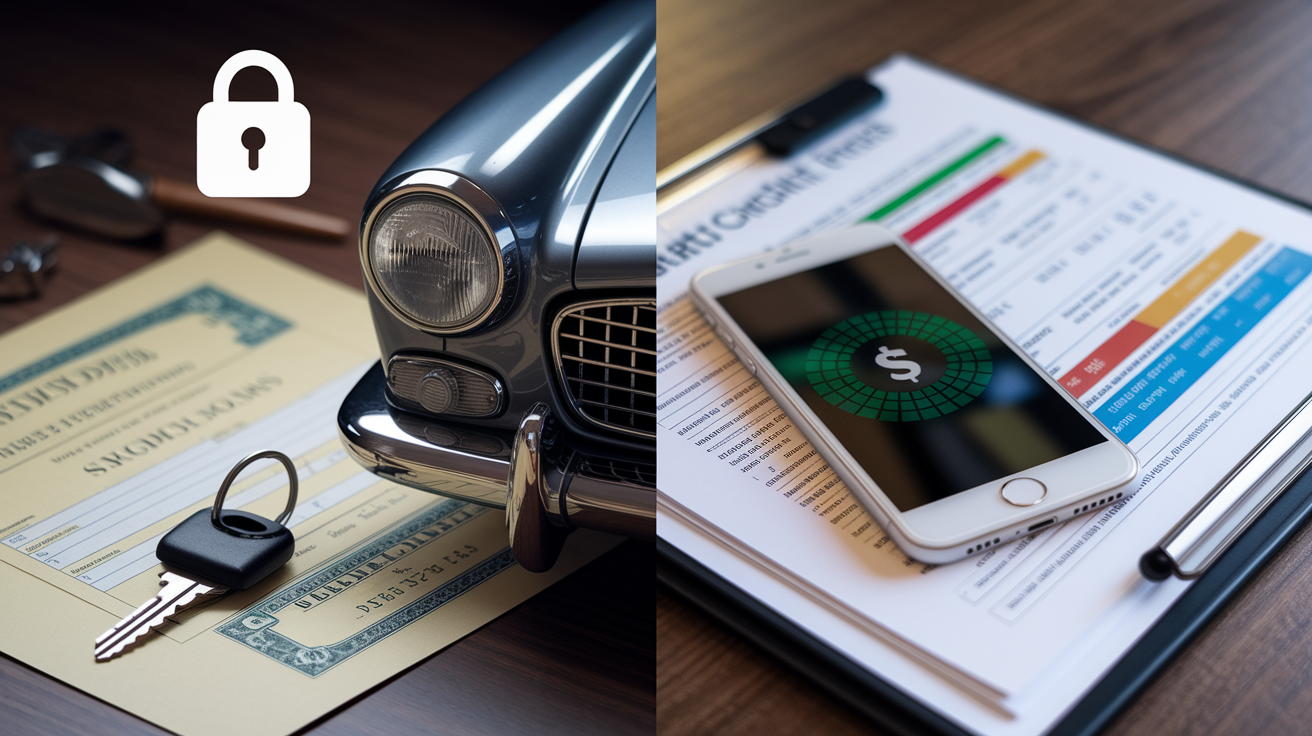
The biggest difference? Collateral. A secured loan means you’re putting up something you own (savings account, car title, home equity) as a guarantee. Stop paying and the lender can take that asset. An unsecured loan doesn’t work that way. The lender looks at your credit score, income, and debt-to-income ratio (how much you owe versus what you earn monthly) to decide if you’re worth the risk.
Secured loans usually cost less because the lender’s protected. They can grab your car or drain your savings if things go sideways, so they’re comfortable offering lower rates and bigger amounts. Unsecured loans? Everything rides on your track record. The lender’s betting you’ll pay because you’ve shown you’re reliable. That means higher rates and tougher approval hurdles. Miss payments and you won’t lose your car, but your credit takes a beating and collections might come knocking.
Here’s how they stack up:
| Feature | Secured Personal Loan | Unsecured Personal Loan |
|---|---|---|
| Collateral | Required (savings, car, home equity, CD, investment account) | None required |
| Approval Factors | Collateral value, income, basic credit check | Credit score, DTI, income, employment stability |
| Cost Expectations | Lower APR (often 6% to 18%) | Higher APR (often 10% to 36%) |
| Risk Level | High—can lose pledged asset and damage credit | Medium—no asset loss, but credit damage and collections |
Understanding How Secured Personal Loans Work

When you take out a secured loan, you’re giving the lender legal dibs on something you own. Cars you’ve paid off, savings or CD accounts, home equity, investment accounts, sometimes even home fixtures. The lender puts a lien on whatever you pledge. Can’t sell it or touch it until the loan’s cleared. Pledge your car? Lender holds the title. Pledge savings? That money’s locked.
Secured loans come with perks. Lower rates, bigger amounts, longer terms. The lender’s covered if you bail. They can repo your car, foreclose on property, or sweep your savings account. That safety net lets them approve people with shaky credit or lower income and still offer decent terms. Before they say yes, they’ll verify you own the collateral, check what it’s worth, and make sure nobody else has a claim on it. They’ll also look at your ability to pay (income, job stability), but the collateral’s what really matters.
Common collateral types:
Vehicle title: Cars, trucks, motorcycles you own outright.
Savings or CD accounts: Funds get frozen until you repay. Easy for lenders to verify and grab if needed.
Home equity: Second mortgages or HELOCs backed by your home’s value.
Investment accounts: Brokerage or retirement accounts pledged as security.
Home fixtures: Rare, but some lenders put liens on built-in stuff like cabinets or flooring. Can complicate selling your house later.
How Unsecured Personal Loans Work and Why Lenders Focus on Credit
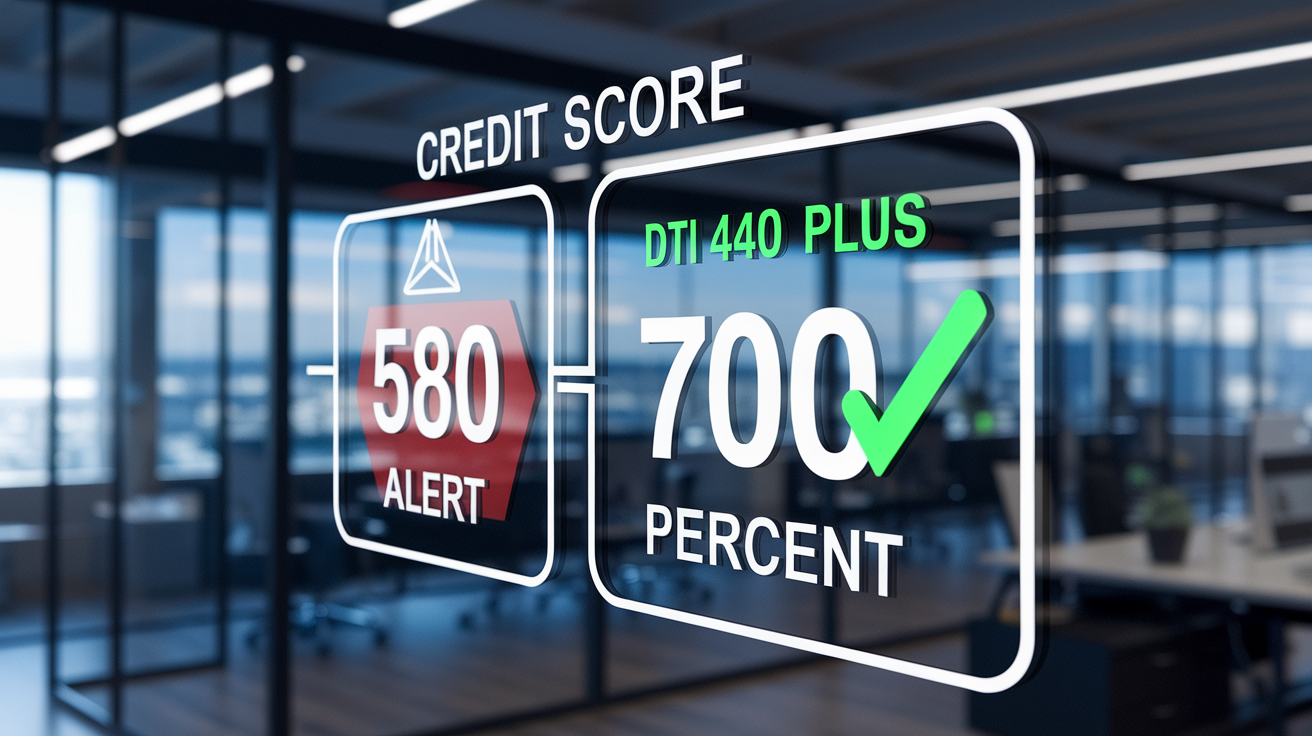
No collateral means lenders lean entirely on your financial profile. They’re checking credit score, debt-to-income ratio, income stability, and credit history. Most want a minimum score around 580 just to consider you. Want the best rates? You’re looking at 700 or higher. DTI (total monthly debt divided by gross monthly income) is another biggie. Lenders like seeing it below 40%, though some go higher if your income’s solid.
No asset backing the loan means more risk for the lender. That’s why unsecured loans cost more and come with stricter rules. They’ll verify income with pay stubs or tax returns, check your job history, and pull a hard inquiry on your credit. That’ll ding your score a few points temporarily, but it’s standard. Once you’re approved, they report your payments to Experian, Equifax, and TransUnion. Pay on time and your credit improves. Miss payments and it tanks. The upside? Speed and simplicity. No appraisals, no liens. Funding can happen same day to three days.
| Approval Factor | What Lenders Look For |
|---|---|
| Credit Score | Minimum ~580 to qualify; ~700+ for competitive rates |
| Income & Employment | Stable income, full-time or verifiable self-employment, recent pay stubs or tax returns |
| Debt-to-Income Ratio (DTI) | Typically ≤40%; calculated as total monthly debt divided by gross monthly income |
Pros and Cons Comparison for Secured vs Unsecured Personal Loans

Both have tradeoffs. Secured loans can save you money and work even if your credit’s rough, but you’re risking what you own. Unsecured loans keep your stuff safe but cost more and demand stronger credentials.
Pros and Cons of Secured Loans
Pros:
Lower rates. Collateral cuts the lender’s risk, so APRs typically run 6% to 18%, well under unsecured averages.
Easier approval with weaker credit. Lenders might approve you with a score under 580 if your collateral’s solid.
Bigger loan amounts. You can often borrow more because the lender can recoup losses through repossession.
Longer repayment terms. Some let you stretch payments over 10 years, lowering what you pay monthly.
Credit-building potential. On-time payments get reported to credit bureaus, helping you rebuild or establish history.
Cons:
Risk of losing collateral. Default and the lender can take your car, foreclose on your home, or drain your savings.
Liens restrict asset use. Can’t sell your car or home without paying off the loan first. Frozen savings can’t be touched in emergencies.
Administrative hassle. Appraisals, title transfers, lien filings. Takes time and sometimes costs extra.
Double loss on default. You lose the asset and your credit score crashes, making future borrowing pricier.
Pressure during hardship. Lose your job and repossession risk becomes immediate. Can spiral into bigger problems if you need that car for work or housing stability.
Pros and Cons of Unsecured Loans
Pros:
No collateral required. Your car, home, and savings stay yours no matter what.
Faster funding. No appraisals or lien paperwork. Some lenders fund within a day.
Wider lender availability. Online lenders, credit unions, banks all offer competitive unsecured options.
Simpler application. Submit income docs, pass a credit check, done. No asset valuation or title transfers.
Protection from asset seizure. Default leads to collections and credit damage, maybe legal action. But the lender can’t directly take your car or home.
Cons:
Higher rates. APRs can hit 10% to 36%, especially if your credit’s below 700. Gets expensive fast.
Stricter credit requirements. Lenders want proof you’re low-risk. Score below 580? You’ll probably get declined.
Smaller loan limits. Without collateral, lenders cap amounts lower. Often $50,000 or less, even for strong borrowers.
Default still wrecks credit. Missed payments lead to charge-offs, collections, potential lawsuits. Your score can drop 100+ points.
Watch for predatory variations. Some “no credit check” unsecured products (like payday loans) carry APRs near 300%. Those aren’t loans, they’re traps.
Side-by-Side Cost, Term, and Approval Comparison

Market data shows a wide gap in pricing and terms depending on loan type and your profile. Secured loans cluster toward lower APRs and allow higher borrowing limits. Unsecured loans require stronger credit to access similar terms. Funding’s often faster for unsecured because there’s no collateral to appraise or lien to file, but you pay for that convenience.
Typical offers across both categories:
| Feature | Secured Personal Loan | Unsecured Personal Loan |
|---|---|---|
| APR Range | 6.25% to 18% (varies by collateral and credit) | 10% to 35.99% (varies by credit score and income) |
| Term Length | 24 to 120 months (2 to 10 years) | 12 to 84 months (1 to 7 years) |
| Approval Difficulty | Moderate—collateral compensates for weaker credit | High—requires good credit, stable income, low DTI |
| Required Documentation | Title/deed, appraisal, proof of ownership, income verification | Credit report, pay stubs, bank statements, tax returns |
| Funding Speed | 2 to 7 days (appraisal and lien processing add time) | Same day to 3 days (no collateral paperwork) |
| Loan Amounts | $1,000 to $250,000 (higher limits common with real estate or large assets) | $1,000 to $100,000 (most lenders cap at $50,000 for non-prime borrowers) |
Eligibility Requirements and Approval Odds for Each Loan Type

Your approval odds depend on how well you match what each lender prioritizes. Secured lenders care about collateral value and basic repayment ability. They’ll approve borrowers who wouldn’t qualify unsecured. Unsecured lenders are pickier. They need confidence you’ll repay based on your track record alone. Credit score below 580? Unsecured approval’s unlikely unless you add a cosigner or accept sky-high rates. Secured approval’s still possible if you have acceptable collateral and some income, even with thin or damaged credit.
For unsecured loans, expect lenders to pull your full credit report and verify employment. They’ll calculate DTI on the spot and decline you if it’s too high (typically above 45%). Hard inquiries from multiple lenders within a 14 to 45-day window usually count as one inquiry for scoring purposes, so shop around without compounding damage. Secured lenders also check credit, but collateral’s the dealmaker. If your car’s worth $15,000 and you’re borrowing $10,000, the lender knows they can recover the money even if your credit’s shaky.
Key approval contrasts:
Secured: Collateral offsets weak credit. Approval possible with scores as low as 500 if asset value’s strong and income’s verifiable.
Unsecured: Credit score drives approval. Minimum ~580 required, rates improve significantly at 700+.
Secured: Lenders verify ownership and appraise collateral. They care less about DTI if loan-to-value ratio’s safe.
Unsecured: Lenders scrutinize DTI closely. A ratio above 40% can disqualify you even with good credit.
Secured: Approval timeline includes appraisal and lien filing, adding 1 to 3 days. Overall process takes longer but approval odds are higher for marginal borrowers.
Unsecured: Faster underwriting (often automated) means same-day decisions, but stricter algorithms mean more denials for borderline applicants.
Decision Framework: How to Choose Between Secured and Unsecured Loans

Choosing starts with an honest look at your situation and what you’re willing to risk. Follow these steps to narrow options and compare offers that match your profile.
Check your credit score and recent report. Pull a free report from AnnualCreditReport.com or use a monitoring service. Score below 580? Secured’s likely your best shot. Above 700? Unsecured will offer competitive rates without risking assets.
Calculate your debt-to-income ratio. Add all monthly debt payments (credit cards, car loans, student loans, other personal loans) and divide by gross monthly income. DTI above 40%? Expect unsecured lenders to decline you or quote high rates. Secured lenders are more flexible on DTI if collateral’s strong.
Inventory assets you’re willing to pledge. Own a car free and clear? Have savings you can lock up? Own a home with equity? No collateral or uncomfortable risking what you own? Unsecured’s your only option. Have assets and want lower rates or need a larger amount? Secured makes sense.
Estimate the loan amount and term you need. Larger amounts (above $50,000) often require collateral. Longer terms (7+ years) are more common with secured. Match your needs to what each type typically offers.
Compare total cost using APR, fees, and term length. Use prequalification tools (soft credit check) to get rate estimates from at least three to five lenders. Calculate total interest paid over the loan’s life for both secured and unsecured offers. Sometimes a slightly higher monthly payment on a shorter unsecured loan costs less overall than a long-term secured one.
Evaluate worst-case scenarios. Lose your job or face a medical emergency, can you keep paying? If not, would you rather risk losing your car or damaging your credit? Secured defaults are immediate and tangible (your car gets towed). Unsecured defaults are slower but still serious (collections calls, lawsuits, wage garnishment). Choose the risk you can live with.
Once you’ve worked through these, you’ll have a clear picture of which loan type fits and which lenders to approach first.
Real Borrower Scenarios to Help Compare Secured vs Unsecured Loan Options

Debt consolidation with good credit: You’ve got $15,000 in high-interest credit card debt across three cards. Credit score’s 720. You earn stable income and DTI’s 30%. An unsecured personal loan at 11% APR over five years saves you thousands versus minimum credit card payments, and you won’t risk assets. Secured loans might offer 8% APR, but the savings don’t justify locking up your car title or savings when you already qualify for solid unsecured terms.
Larger loan with low credit: You need $25,000 for a home renovation. Credit score’s 590 and you’ve had late payments recently. Unsecured lenders either decline you or quote APRs above 25%, making monthly payments unaffordable. You own your car outright, valued at $18,000. A secured loan using your car as collateral gets you approved at 14% APR over seven years. Monthly payment fits your budget, and you’re committed to protecting the car because you need it for work. Secured’s the better path.
Short-term cash need with no assets: You need $5,000 to cover moving expenses. Don’t own a car or have significant savings. Credit score’s 650, steady employment. An unsecured personal loan at 16% APR over three years is your only option, and the higher rate’s acceptable because you’ll pay it off quickly. You avoid the complexity and risk of secured loans, and funding happens within two days so you can book movers and pay deposits on time.
Using a CD as collateral: You have $10,000 in a certificate of deposit earning 4% interest. Need $8,000 for an unexpected medical bill. Credit score’s 680, and unsecured lenders quote 13% APR. Your bank offers a secured loan at 7% APR using the CD as collateral. The CD stays in place earning interest while pledged. The math works: 7% loan cost minus 4% CD earnings equals net 3% cost, far better than 13% unsecured. CD matures in 18 months, and you plan to repay within that window. Secured’s the smart move.
Shopping Tips to Compare Secured and Unsecured Personal Loan Offers
Start by prequalifying with multiple lenders using soft credit check tools. Gives you rate estimates without dinging your score. Compare at least three to five offers from banks, credit unions, and online lenders. Pay attention to APR (includes interest plus fees), not just interest rate. A loan with 10% rate but 5% origination fee might cost more than a 12% loan with no fees. Calculate total amount you’ll repay over the loan’s life by multiplying monthly payment by number of months, then compare that figure across offers.
Five must-check details when comparing offers:
Total cost over the full term. Add up every payment plus upfront fees to see the true price, not just the monthly number.
Prepayment penalties. Some lenders charge a fee if you pay off early. Others don’t. Avoid penalties if there’s any chance you’ll refinance or pay extra.
Collateral terms (for secured loans). Confirm what happens if you want to sell the asset, how the lender will repossess it, and whether your savings or CD stays frozen for the entire loan term.
Funding speed. Need money fast? Unsecured loans typically fund within one to three days. Secured can take a week due to appraisals and lien paperwork.
Avoid high-cost traps. Steer clear of “title loans” or “payday loans” advertising no credit checks. These can carry monthly finance fees around 25%, which equals roughly 300% APR. If a secured offer sounds too easy or an unsecured offer requires no income verification, it’s probably predatory.
Final Words
You compared secured and unsecured loans: what collateral is, how lenders judge credit and income, APR ranges, approval odds, and a decision framework.
Quick rule: secured often means lower rates but a real asset is on the line. Unsecured means no collateral but stricter credit and higher cost.
For a final check, follow the decision steps and scenarios to answer secured vs unsecured personal loan how to choose. Compare total cost, funding speed, and your risk comfort. You’ll pick the right loan.
FAQ
Q: Is it better to get a secured or unsecured personal loan?
A: Choosing between secured and unsecured personal loans depends on whether you want lower rates and larger amounts (secured) or to avoid risking assets and rely on credit instead (unsecured).
Q: How much personal loan can I get on a $70,000 salary?
A: How much personal loan you can get on a $70,000 salary depends on your DTI (debt-to-income), credit score, and collateral; many unsecured loans range $1,000–$50,000, secured loans can be much higher, up to $250,000.
Q: Can you get a loan on SSDI?
A: Borrowers on SSDI can get loans, but approval depends on the lender, income proof, and your ability to repay; bring benefit letters and bank statements, and consider secured options if credit is limited.