


Think any loan will fix your credit? Think again.
When you’re rebuilding credit, the two things that really matter are whether the lender reports your payments to the bureaus and whether you can afford the monthly payment without missing one.
This post lays out clear, practical steps, like pulling your reports, comparing soft-pull offers, confirming bureau reporting, checking APR (the all-in yearly cost) and fees, choosing a manageable term, and setting up autopay so you pick a loan that actually helps rebuild your credit.
Practical Loan Selection Steps for Rebuilding Credit Success

When you’re rebuilding credit, the loan you pick matters way less than two things: does it report your payments, and can you actually afford it every month without fail. Payment history is 35% of your FICO score. Amounts owed? Another 30%. Credit mix adds 10%. Right there you’ve got 75% of what lenders see when they pull your file.
Credit-builder loans and federal student loans are usually your best shot when your credit’s beaten up. They don’t care much about history or scores. Traditional personal loans and auto loans can work too, but only if you qualify and the monthly payment doesn’t wreck your budget.
Hard inquiries ding your score temporarily and stick around on your report for up to 2 years, though they only hurt your score for about 12 months. Here’s the thing: if you’re rate shopping for a car, mortgage, or student loan, multiple inquiries in a short window usually count as just one. Personal loans? Different story. Every application can be a separate hit. That’s why soft-pull prequalification is critical. Find lenders that let you check your rate without a hard pull first. Only commit when you’ve found the best deal.
Affordability is everything. Missing one payment can set you back months. Late payments get reported after 30 to 90 days depending on the loan type. Build your selection process around on-time payments, not what you hope you can manage.
7 practical steps to choose the right loan:
- Pull your credit reports from all three bureaus and fix any errors before you apply.
- Compare soft-pull offers from at least three lenders to see real rates without damaging your score.
- Verify the lender reports payments to Experian, TransUnion, and Equifax. No reporting means no credit building.
- Choose a term and monthly payment that fit comfortably in your budget, not the maximum you could technically squeeze in.
- Calculate total cost including origination fees, interest, and any prepayment penalties.
- Confirm funding speed and whether you need the money immediately or can wait a few days.
- Set up autopay immediately after approval to eliminate the risk of human error.
Comparing Loan Options for Credit Rebuilding

APR is the “all in price tag,” not just the sticker rate. It includes the interest rate plus fees, expressed as a yearly percentage. When you’re comparing loan offers, APR tells you the real cost over the life of the loan. A lender might advertise a 10% interest rate, but if the origination fee is high, the APR could be 12% or more. That difference adds up fast, especially on longer terms.
Term length changes everything about affordability and total cost. A 24 month loan will have higher monthly payments but lower total interest than a 60 month loan at the same APR. If you’re rebuilding credit, shorter terms prove you can handle payments quickly. But only if the monthly amount doesn’t strain your budget.
Origination fees are charged up front, often 1% to 8% of the loan amount. Some lenders tack on prepayment penalties if you pay off early. Ask about both before you sign.
| Loan Type | Typical APR Range | Common Term Length | Notes |
|---|---|---|---|
| Credit builder loan | 6% to 16% | 6 to 24 months | Funds held until payoff, lower approval requirements |
| Secured personal loan | 8% to 18% | 12 to 60 months | Requires collateral, lower rates but risk of losing asset |
| Unsecured personal loan | 10% to 35.99% | 12 to 120 months | No collateral, higher rates for poor credit, reports to bureaus |
| Bad credit online loan | 18% to 35.99% | 12 to 60 months | Fast funding, very high APRs, check for bureau reporting |
Choosing Between Credit-Builder, Secured, and Traditional Personal Loans

Credit builder loans are structured backwards on purpose. The lender holds your borrowed funds in a savings account or certificate of deposit while you make fixed monthly payments over 6 to 24 months. Once you’ve paid off the loan, the lender releases the money minus any interest and fees. Some lenders even return part of the interest earned.
The approval barrier is low because the lender isn’t taking much risk. The money is locked up. These loans are designed for one thing: building a track record of on-time payments when you have little or no credit history.
Secured personal loans require collateral, usually a car, savings account, or another asset the lender can claim if you default. Because the lender has a safety net, interest rates are typically lower than unsecured loans, often 8% to 18%. But if you miss payments or can’t repay, you lose the collateral.
Unsecured personal loans don’t require collateral, so lenders rely on your creditworthiness and income. For borrowers rebuilding credit, that often means APRs on the high end, sometimes 18% to 35.99%. Loan amounts usually range from $1,000 to $250,000. Funding can happen the same day up to three days after approval.
If your credit score is under 600 and you don’t have an asset to pledge, a credit builder loan is usually the safest choice. If you have a vehicle or savings and can tolerate the risk, a secured personal loan offers lower rates. Unsecured loans make sense only if the APR is competitive and you’re confident you can make every payment. Missing even one can wipe out months of rebuilding progress.
When Credit-Builder Loans Are the Best Choice
Credit builder loans work best when you’re starting from scratch or recovering from serious credit damage. Because the lender holds the funds, your approval odds are high even if your score is in the 500s or you’ve had recent late payments. The structure forces savings. You make payments into an account you can’t touch until the term ends, so you’re effectively paying yourself back while proving to the bureaus you can manage monthly obligations.
If your main goal is to establish payment history safely without risking collateral or adding debt you can spend, credit builder loans are hard to beat.
Evaluating Lender Types for Poor-Credit Borrowers

Credit unions often offer the lowest APRs and the most flexible underwriting for borrowers rebuilding credit. Because they’re member owned nonprofits, they’re less focused on maximum profit and more willing to consider your full financial picture instead of just a credit score.
Online lenders tend to approve quickly, sometimes within minutes, and fund loans in as little as one business day. But APRs for poor credit borrowers can climb into the high 20s or low 30s. Peer to peer platforms can work if you have income stability and a clear story, but expect higher rates. Community banks sometimes run specialized loan programs for local residents, and they may report to all three bureaus even on smaller loans.
Not every lender reports payments to Experian, TransUnion, and Equifax. If the lender doesn’t report, the loan won’t help your credit at all. Ask before you apply.
- Credit unions: Lower APRs (often 8% to 18%), flexible underwriting, membership required, slower funding (2 to 5 days).
- Online lenders: Fast approval and funding (same day to 3 days), higher APRs for poor credit (18% to 35.99%), verify bureau reporting.
- Peer to peer platforms: May approve lower credit borrowers, APRs typically 15% to 30%, funding can take 5 to 7 days.
- Community banks: Relationship based underwriting, small loan programs, reporting practices vary. Confirm all three bureaus.
- Payday and title lenders: Avoid. APRs often exceed 100%, short repayment windows, and minimal or no credit reporting.
Understanding Credit Score Impact When Choosing a Loan
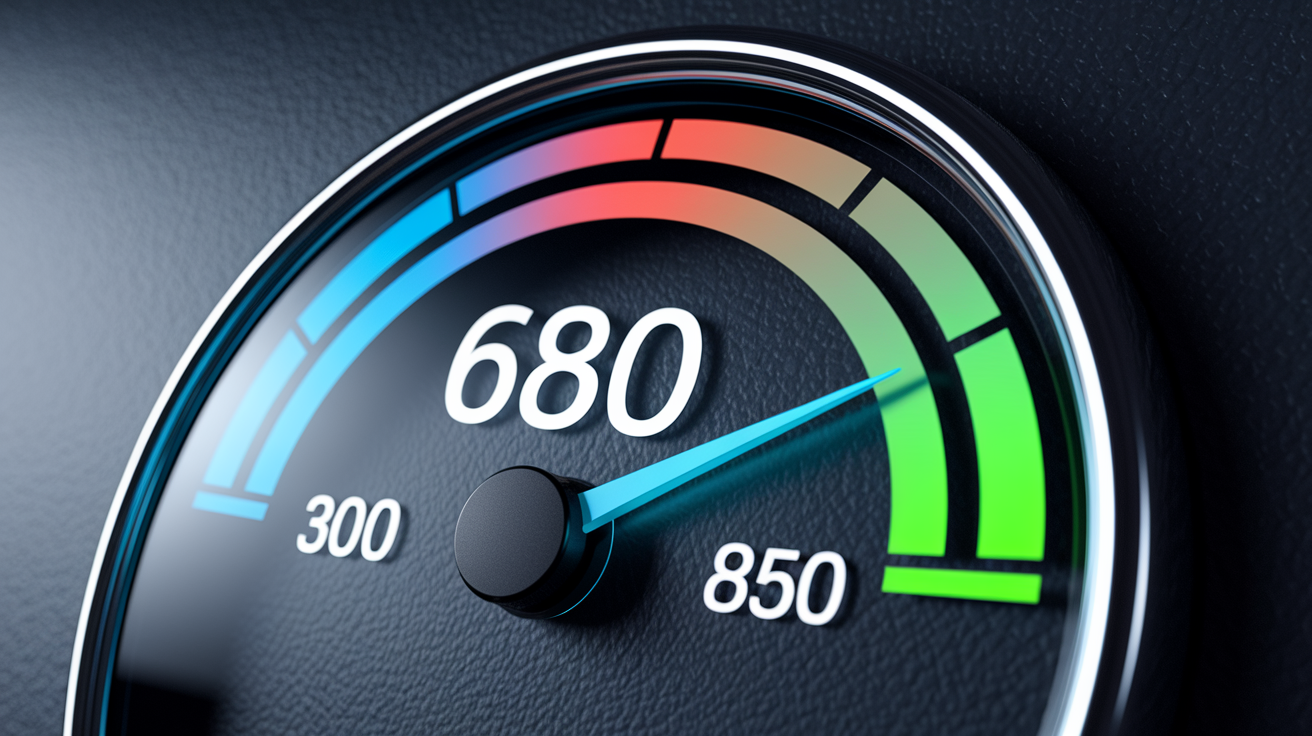
Opening a new loan triggers a hard inquiry and adds a new account, which temporarily lowers your average account age. Most borrowers see a small dip of a few points right after approval. That dip is normal and short lived if you make on-time payments. Hard inquiries affect your FICO score for about 12 months, though they stay on your report for up to 2 years.
The real credit building begins with your first on-time payment. Payment history is 35% of your score, so every monthly payment reported as “paid on time” strengthens that portion of your profile.
If you use a personal loan to pay off credit card balances, you also reduce your credit utilization, the percentage of your available revolving credit you’re using. Utilization is 30% of your score. Top scorers typically keep it below 10%. Moving revolving debt to an installment loan drops your utilization fast, which can produce a quick score increase.
Credit mix accounts for 10% of your score. Adding an installment loan when you only had credit cards shows lenders you can manage different types of credit.
Installment loans and revolving credit affect your score differently. Revolving accounts like credit cards are judged heavily on utilization and whether you carry balances. Installment loans are judged on payment history and total amount owed. That’s why paying off credit cards with a personal loan can help your score in two ways: lower utilization and a diversified credit mix. But only if you stop running up the cards again. If you take the loan and then max out your cards, you’ve added debt without solving the problem.
Avoiding Predatory or High-Risk Loan Offers During Credit Rebuilding

When your credit is damaged, some lenders see an opportunity to charge excessive fees and lock you into terms that make repayment nearly impossible. APRs near or above 36% are a red flag. So is any lender that refuses to let you prequalify with a soft pull or that pressures you to apply immediately without comparing offers.
Hidden fees are common with high risk lenders. Look for origination fees above 5%, monthly maintenance fees, and prepayment penalties that trap you in the loan even if you want to pay it off early. If the lender doesn’t report payments to all three credit bureaus, the loan won’t help rebuild your credit. Ask directly before you apply.
6 warning signs of predatory or risky loan offers:
- APRs above 30%, especially if combined with short repayment terms.
- Refusal to provide a soft pull prequalification or insistence on a hard inquiry before showing rates.
- Large up front fees (origination above 5%, application fees, processing charges).
- Pressure tactics like “limited time offer” or “apply now or lose your rate.”
- No clear disclosure of whether payments are reported to Experian, TransUnion, and Equifax.
- Loans that require you to add collateral you didn’t plan to pledge or buy unnecessary insurance products.
Budgeting and Repayment Planning While Rebuilding Credit

Your debt to income ratio (DTI), total monthly debt payments divided by gross monthly income, tells you whether a new loan payment is manageable. Most lenders want to see DTI below 43%, but for your own budget, aim lower. If your new loan pushes you above 36%, one unexpected expense could force you to miss a payment. Missed payments are reported after 30 to 90 days depending on the loan type.
A small emergency fund, even $500 to $1,000, gives you breathing room when car repairs or medical bills hit. Without it, you’re one bad month away from a late payment that undoes months of rebuilding.
Keep your revolving accounts open but paid down. Closing credit cards lowers your available credit and raises utilization. Just don’t carry balances if you can avoid it.
Autopay is the simplest way to protect your payment history. Set it up the day your loan is approved, linked to an account that always has enough cushion to cover the payment. Pair it with calendar reminders a few days before each due date so you can verify funds are available. One missed payment can drop your score 60 to 110 points depending on your starting score.
5 strategies to stay on track:
- Calculate your DTI before applying and choose a payment that keeps you comfortably under 36%.
- Build a $500 emergency buffer in a separate savings account before taking on new debt.
- Set up autopay and enable low balance alerts on the linked checking account.
- Pay down revolving balances first if your utilization is above 30%, then take the loan.
- Review your loan balance and upcoming payments weekly so nothing catches you by surprise.
Alternatives to Loans for Rebuilding Credit Without Taking On New Debt
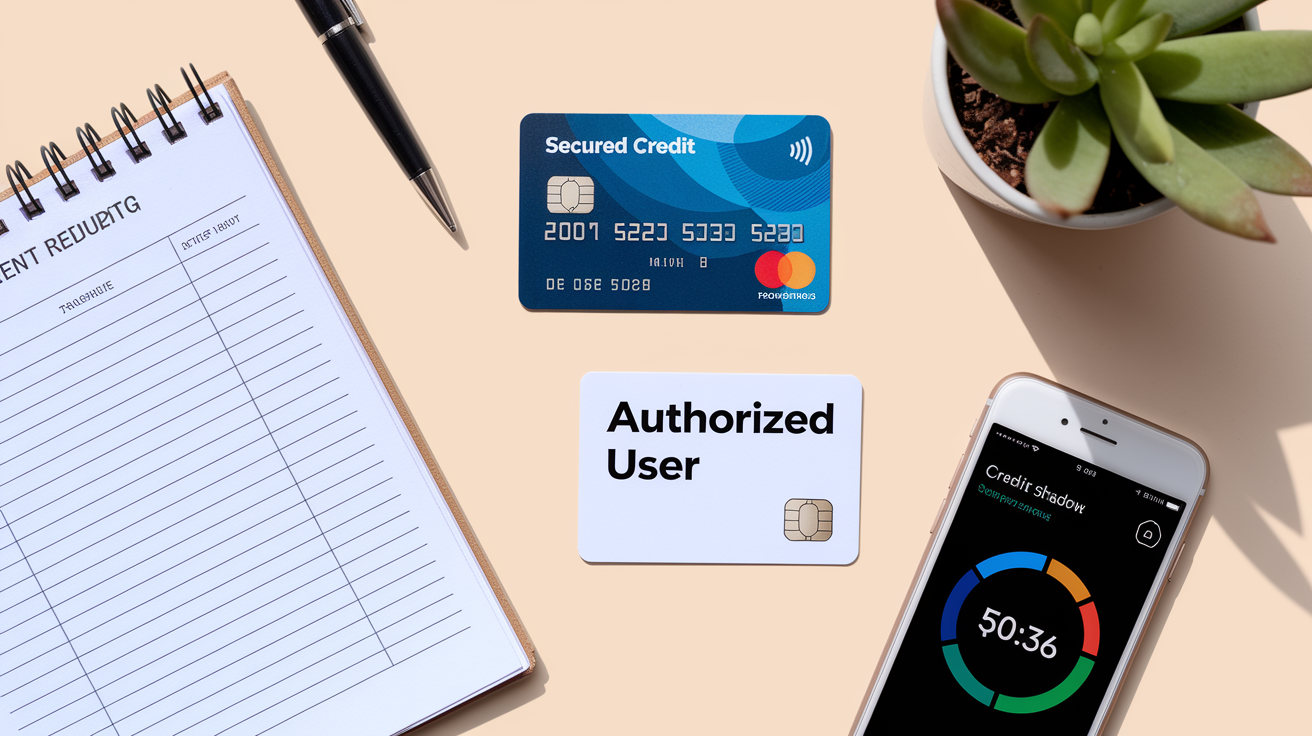
If you don’t need borrowed money right now, you can rebuild credit without adding debt. Rent reporting services add your monthly rent payments to your credit reports, and some utility and subscription payment platforms do the same. Results vary. Not all lenders or credit scoring models consider alternative data, and reporting might only go to one or two bureaus instead of all three. But for borrowers with thin credit files, adding 12 months of on-time rent payments can sometimes raise scores instantly.
Credit monitoring services track your score changes and alert you to late payments, new accounts, or errors on your reports. Staying aware helps you catch problems before they snowball.
If you already have a credit card, keeping utilization below 10% and making on-time payments every month builds payment history without taking a loan. Just don’t close old cards. Length of credit history matters, and closing accounts lowers your total available credit, which raises utilization.
4 alternative tools to rebuild credit without loans:
- Rent and utility payment reporting services (check which bureaus they report to).
- Secured credit cards with low or no annual fees (deposit equals credit limit, use and pay in full monthly).
- Becoming an authorized user on a family member’s card with low utilization and perfect payment history.
- Credit monitoring apps that track score changes and send reminders before due dates.
Timeline and Expectations for Credit Improvement After Choosing a Loan

Expect a small score drop right after your loan is approved. The hard inquiry and the new account lower your average account age, and that can cost you a few points. Most borrowers see that dip reverse within one to three months as long as the first payments are on time.
Measurable improvement usually shows up after three to six months of consistent on-time payments. Payment history is reported monthly, so each successful payment adds another positive mark. If you used the loan to pay down credit cards, the utilization drop can produce a noticeable score jump within one to two billing cycles.
Meaningful credit improvement, moving from “poor” to “fair” or “fair” to “good,” typically takes 6 to 24 months of disciplined repayment and low utilization.
Track progress by pulling your credit reports every few months. You’re entitled to free reports from each bureau once per year, and many credit monitoring services offer monthly score updates. Watch for the new loan appearing on all three reports. Verify that payments are marked “paid as agreed.” Check that your utilization stays low if you consolidated revolving debt.
Long term credit health requires the same habits that got you here: on-time payments, manageable debt, and patience. Hard inquiries stop affecting your score after about 12 months, but the positive payment history you build stays on your report for years.
Final Words
Start by checking your credit reports for errors, prequalifying with soft-pull offers (soft pull doesn’t hurt your score), and favoring loans that report payments to the major bureaus.
Compare APR and fees, pick realistic terms, avoid high-pressure lenders, set up autopay, and build a small emergency buffer. Expect a small dip from hard inquiries, then steady improvement after consistent on-time payments, usually 6 to 24 months.
Use these choosing a loan when rebuilding credit practical steps to pick a loan that fits your budget and helps your score. Small, steady wins add up.
FAQ
Q: What steps should I take to pick the right loan while rebuilding credit?
A: Picking the right loan while rebuilding credit starts by checking your credit report for errors, prequalifying with soft pulls, comparing fees and terms, and planning autopay to protect payment history.
Q: How do I compare loan offers correctly, including APR, fees, and term length?
A: Comparing loan offers means using APR as the all-in cost, checking origination and prepayment fees, matching term lengths, and calculating total interest and monthly payment to see real affordability.
Q: When is a credit-builder loan better than a secured or unsecured personal loan?
A: A credit-builder loan is better when you need low approval barriers and safe credit history growth; secured loans fit if you can offer collateral, unsecured if you have some income and can accept higher APRs.
Q: Which lender types work best for borrowers with poor credit and how do I verify reporting?
A: Credit unions and community banks often offer lower APRs and flexible terms; online or peer lenders may be options too—ask each lender if they report payments to all three bureaus before applying.
Q: How will applying for a loan affect my credit score and what short-term changes should I expect?
A: Applying for a loan can cause a small, temporary score dip from a hard inquiry and new-account age change, but timely payments and lowered utilization drive score gains over months.
Q: What warning signs show a loan offer might be predatory or high risk?
A: A predatory loan shows extremely high APRs (around 36% or more), pressure to sign, refusal to prequalify with a soft pull, hidden fees, or failure to clarify bureau reporting—walk away and verify in writing.
Q: How should I budget and set up repayment to rebuild credit successfully?
A: Budgeting and repayment for rebuilding credit means sizing a monthly payment you can afford, keeping an emergency fund, using autopay or reminders, and prioritizing on-time payments above all.
Q: What alternatives can I use to rebuild credit without taking on new debt?
A: Alternatives to new loans include rent or utility reporting services, secured credit cards, being added as an authorized user, and watching credit with monitoring tools to catch errors and late payments.
Q: How long will it typically take to see credit improvement after choosing the right loan?
A: Credit improvement typically starts after a few months of on-time payments, with meaningful gains in 6 to 24 months, while hard inquiries usually affect your score for about 12 months.