

Think secured credit cards are a scam? They’re not. You put down a refundable deposit (usually $200 to $500) and the card starts reporting to the big three bureaus. Each on-time payment builds payment history, the biggest part of your score. Use small, regular charges, pay in full or at least on time, and keep the balance well under your limit. Do that and many people see measurable score gains in 3 to 6 months. Thesis: when used correctly, a secured card is a fast, low-risk way to rebuild credit.
How Secured Credit Cards Rebuild Credit Step‑by‑Step
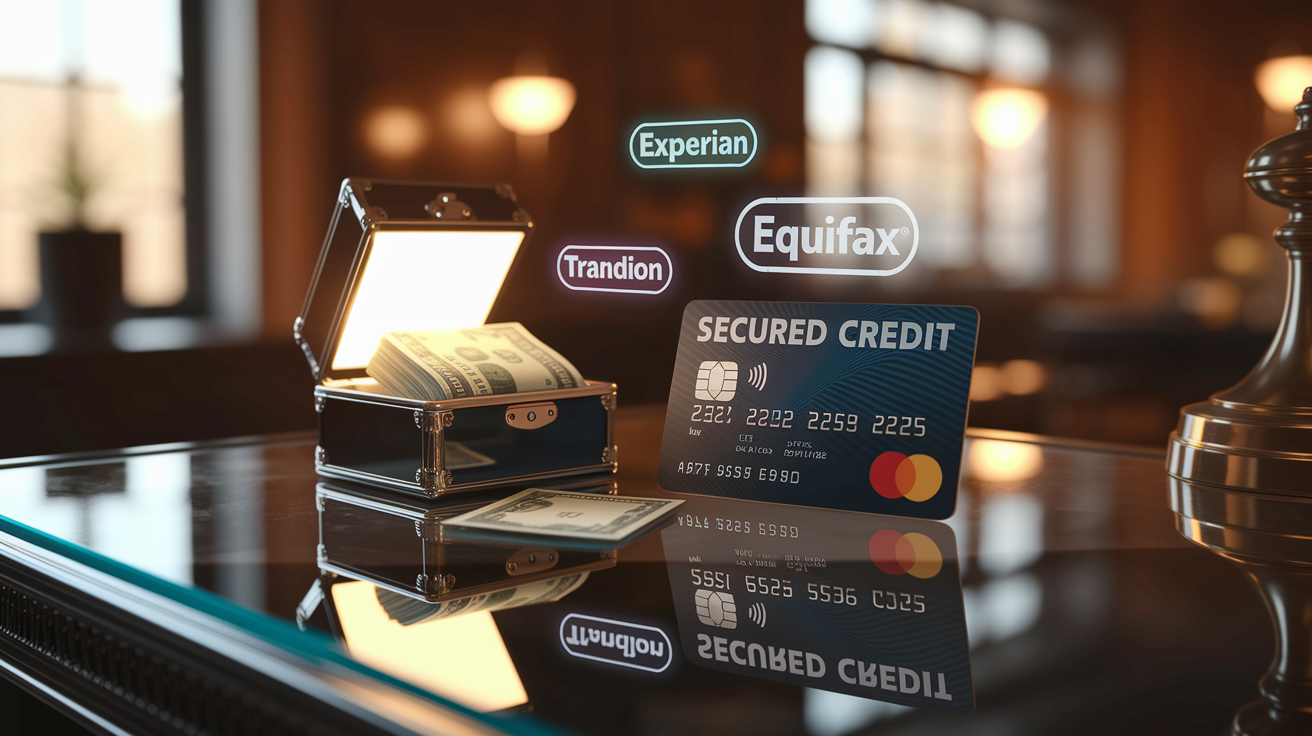
You put down a refundable cash deposit, usually $200 to $500, and that becomes your credit limit. The deposit sits there as collateral. If you miss payments or stop paying altogether, the issuer can tap your deposit to cover what you owe. But the deposit isn’t a payment toward your balance. You still make monthly payments like any other credit card. When you close the account in good standing or get upgraded to an unsecured card, you get that deposit back.
The real rebuild starts when your issuer reports to Experian, TransUnion, and Equifax every month. Each on-time payment shows up on your credit files. Payment history is the biggest piece of your credit score, so those consistent monthly payments matter more than almost anything else. Even tiny purchases paid off in full build a pattern that scoring models notice. Your secured card looks identical to an unsecured card on your credit report. Lenders see the same positive payment history.
Keep your balance well below your limit and pay on time every month. Most people see measurable score gains within 3 to 6 months. Two things drive that improvement: positive payment history and low credit utilization (the percentage of your limit you’re using). Say you have a $300 limit and keep your balance under $90. You’re showing lenders you can handle credit without maxing out. That steady behavior compounds over time. Your payment history gets stronger, your account ages, your credit mix improves. The timeline depends on where you started and what else is in your credit file, but many users report noticeable gains within six months of clean payments and low utilization.
Understanding Security Deposits and Approval Requirements

Security deposits usually range from $49 to $500. In most cases, your deposit equals your credit limit. Put down $200, get a $200 limit. Some issuers offer higher limits if your credit profile shows strength elsewhere, but that’s rare. The deposit sits in a holding account. It doesn’t pay your monthly bill. You still owe your statement balance every month. After several months of responsible use, many issuers refund your deposit when they graduate you to an unsecured card. Or you get it back when you close the account in good standing.
Approval is easier than traditional cards because the deposit cuts the lender’s risk. But issuers still verify basic criteria to protect themselves and follow regulations. Here’s what most require:
- Minimum deposit: Typically $49 to $500, set by the issuer. Some let you choose your deposit amount within a range.
- Income verification: Proof of income (job, benefits, or other regular funds) to show you can make monthly payments.
- Government-issued ID: To confirm identity and comply with banking rules.
- Minimum age: You must be at least 18 (or 21 in some states if you don’t have independent income).
Even if you have no credit score or a very low score, secured cards are often approved as long as you meet these baseline requirements and don’t have recent bankruptcies or major unpaid debts with the same issuer.
How Payment History Shapes Credit Recovery
Payment history makes up about 35% of your FICO score. It’s the most influential factor in whether your credit improves or tanks. Even one missed or late payment can stay on your credit report for 7 years, dragging down your score long after the mistake. When you’re rebuilding credit, a single late payment can wipe out months of progress. Future lenders see that and assume you’re still unreliable. Every on-time payment builds trust. One slip can set you back significantly.
Secured credit cards give you a predictable monthly cycle to prove reliability. Your issuer reports your payment behavior to the major bureaus every month, so each on-time payment becomes a new positive data point. Unlike installment loans that might have irregular payment schedules or higher balances, secured cards let you start small. Charge a streaming service or a gas fill-up, then pay it off before the due date. This simple, repeatable pattern is exactly what scoring models look for when evaluating whether you’ve turned things around.
Here’s a practical example. You have a $300 secured card, and you charge $30 every month for a phone bill, then pay the full $30 on time. After six months, you’ve built six consecutive on-time payments with low utilization. If your credit file was thin or damaged before, those six months of clean history can lift your score noticeably. Compare that to someone who charges $280 on the same $300 card and makes only minimum payments. They’re showing high utilization and a pattern of carrying debt, which slows or even reverses score improvement. The difference isn’t the card. It’s how you use it.
Smart Usage Strategies for Faster Score Improvement
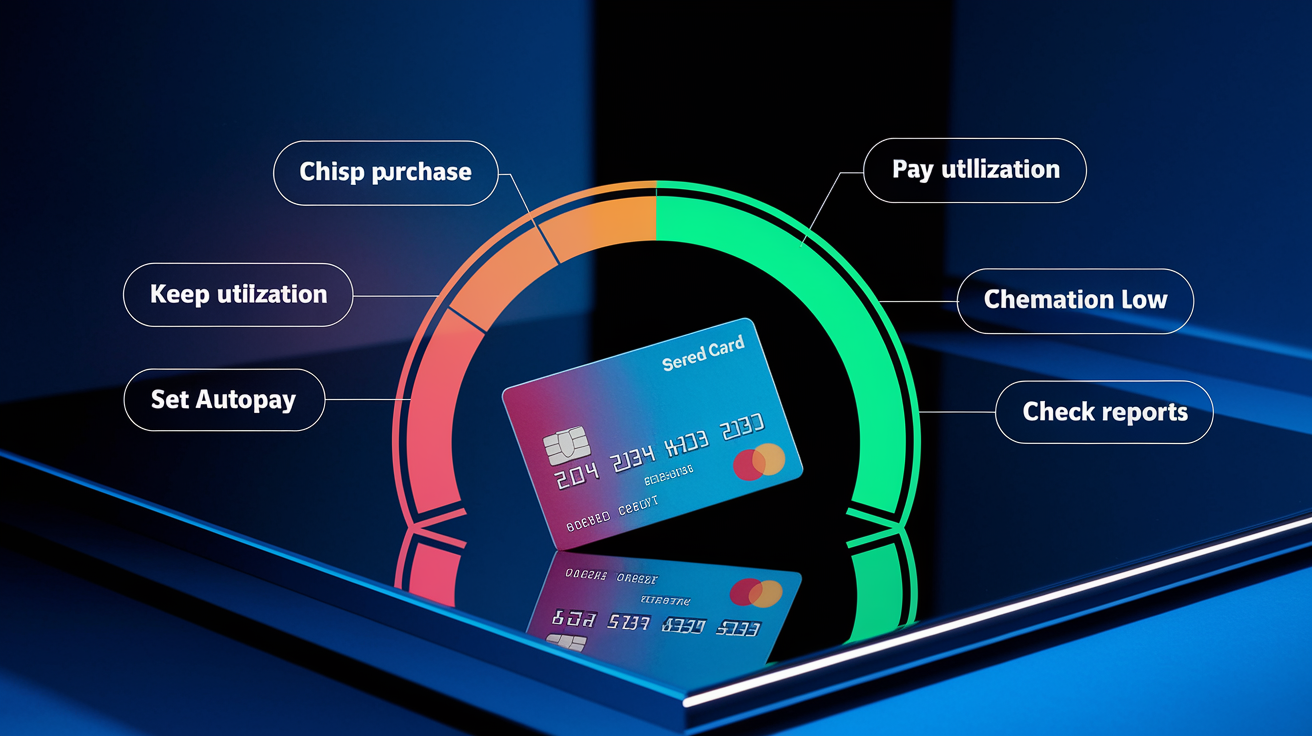
Low utilization and consistent payments are the two things you actually control. Utilization is the percentage of your credit limit you’re using. Keeping it under 30% helps your score. Under 10% is even better.
Here’s how to use a secured card to rebuild credit without setbacks:
-
Charge small, regular purchases: Link one or two recurring bills (like a streaming subscription or phone service) to the card so you have predictable monthly activity. This keeps the account active and gives you a known amount to pay off.
-
Pay the full statement balance before the due date: Paying in full avoids interest charges and shows lenders you’re not living paycheck to paycheck on credit. If you can’t pay in full, always pay at least the minimum on time, then pay more as soon as you can.
-
Keep utilization far below 30%: With a $500 limit, aim to keep your balance under $150 at statement close. Lower is better. Some people keep it under $50 to get the maximum score benefit. High utilization signals financial stress, even if you pay on time.
-
Set up autopay for at least the minimum payment: Autopay from your checking account protects you from accidentally missing a payment. You can still pay extra manually, but autopay acts as your safety net.
-
Check your credit reports every few months: Make sure the issuer is reporting your payments to all three bureaus (Experian, TransUnion, Equifax). Dispute any errors immediately, because mistakes can slow your progress or even hurt your score.
How Long It Takes to See Credit Score Changes

Most people see measurable credit score changes within 3 to 6 months of opening a secured card, as long as they make every payment on time and keep utilization low. The first few months build the foundation. Your payment history starts forming, the account adds to your credit mix, and if you had a thin file before, you’re now showing active credit management. Small increases of 10 to 30 points are common in the early months, especially if you had no previous credit or only negative marks.
Larger improvements often show up around the 12-month mark. By then, you have a full year of positive payment history. Your account is aging (which helps your average account age), and if you’ve kept utilization low, that consistent behavior compounds. If you started with damaged credit from past late payments or collections, the new positive activity begins to outweigh the old negatives in scoring models. Hard inquiries from opening the card also matter less after a year. The exact timeline depends on your starting score, how many other accounts you have, and whether you’re still dealing with recent delinquencies or collections on other debts. Someone rebuilding from a low score due to old mistakes may see faster gains than someone with recent, severe negatives.
Transitioning From a Secured to an Unsecured Credit Card
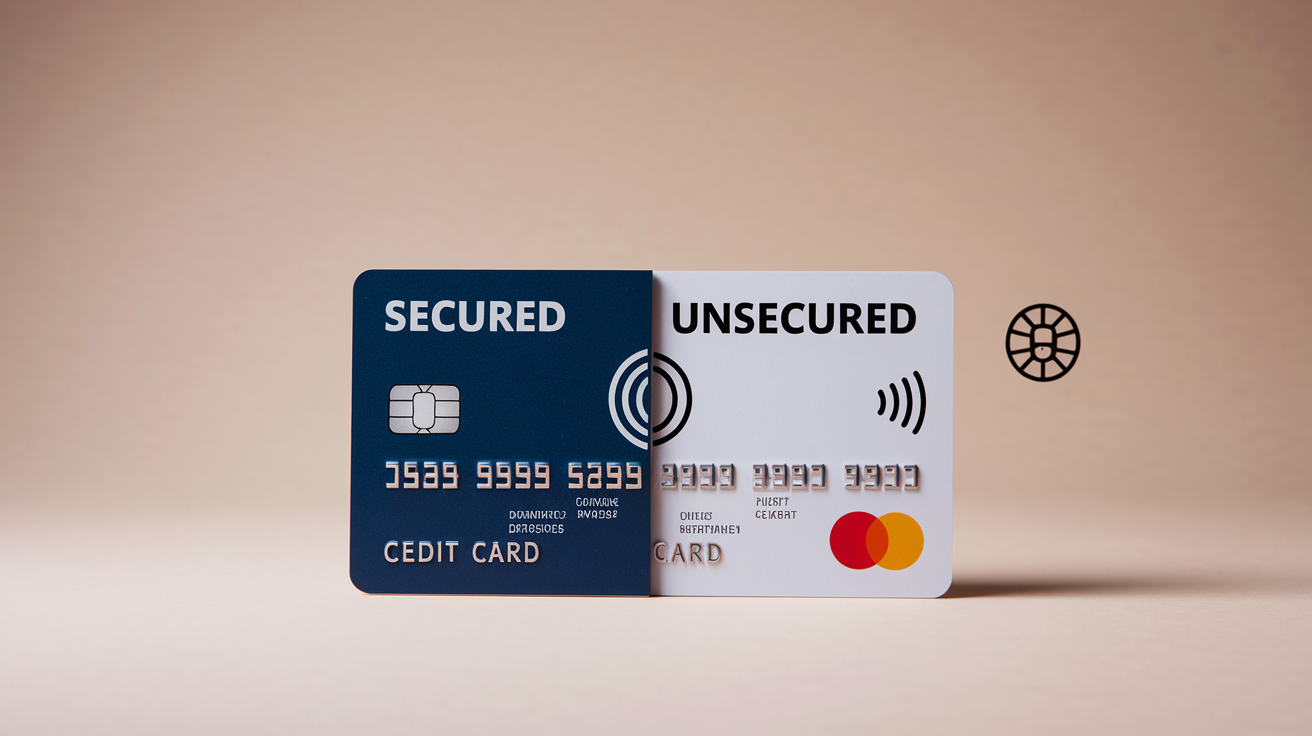
Many issuers review secured card accounts after 6 to 12 months of activity to see if you qualify for an upgrade to an unsecured card. The review looks at your payment history with that card, your overall credit profile, and whether you’ve kept your account in good standing. Some issuers automatically consider you for graduation. Others require you to request a review. If approved, the issuer converts your secured card to an unsecured card, returns your deposit (usually by check or statement credit), and may even bump your credit limit beyond the original deposit amount.
Financial behaviors that help trigger graduation include making every monthly payment on time, keeping your balance low relative to your limit, and maintaining a clean record with the issuer. No late fees, no overdrafts if you have other accounts with them, and no signs of financial distress. Issuers also check your broader credit file. If you’ve opened other accounts and managed them well, or if your credit score has improved significantly, you’re more likely to get upgraded. Some people get upgraded in as little as six months. Others take a year or more, depending on their starting credit situation and how aggressively they manage the account.
When your deposit is refunded, the issuer releases the funds they were holding as collateral. Your credit limit may stay the same, increase, or in rare cases decrease slightly based on your updated credit profile. The account continues to age on your credit report, so your payment history and account age aren’t lost. The upgrade just removes the deposit requirement. If you decide to close the secured card instead of upgrading, you’ll get your deposit back as long as your balance is paid off and the account is in good standing. Either way, that refunded deposit is your money returned, not a bonus or payment from the issuer.
Common Mistakes That Slow Down Credit Rebuilding
Rebuilding credit with a secured card is straightforward, but common mistakes can stall or even reverse your progress. Many of these errors stem from treating the card like free money or misunderstanding how credit scoring works.
Here are the pitfalls that trip up secured card users:
-
Overspending beyond what you can pay off: Charging more than you can afford leads to high balances, high utilization, and the temptation to make only minimum payments. All of which hurt your score and cost you interest.
-
Making late payments or missing payments entirely: Even one late payment can stay on your report for 7 years and undo months of positive history. Late fees also add to your balance and trigger higher interest costs.
-
Maxing out your credit limit: Using 100% of your limit (even if you pay it off later) signals financial stress to scoring models and can drop your score. Aim to keep your balance well under 30% at statement close.
-
Opening too many new accounts at once: Multiple hard inquiries in a short time lower your score and make lenders nervous. Focus on managing one secured card well before applying for more credit.
-
Ignoring your credit reports: If your issuer isn’t reporting to all three bureaus, or if there are errors on your reports, you won’t get full credit for your responsible behavior. Check your reports regularly and dispute mistakes.
-
Closing the account too soon: Once you get upgraded or your credit improves, don’t immediately close the secured card. Keeping the account open (with occasional small purchases) helps your credit age and available credit, both of which support your score long term.
Final Words
You saw how a refundable deposit lowers lender risk, issuers report your payments to Experian, TransUnion, and Equifax, and steady on-time payments plus low credit use push scores up.
Fast, practical steps: choose a card with a reasonable deposit, make small monthly charges, keep utilization under 30%, set up autopay, and check your reports.
Understanding how secured credit cards help rebuild credit gives you a clear plan—consistent payments usually move the needle in 3–6 months. You’ve got this.
FAQ
Q: How to get a 700 credit score in 30 days fast?
A: Getting a 700 credit score in 30 days fast is unlikely for most people; speed up changes by disputing errors, paying down big balances under 30% utilization, asking for higher limits, or adding positive tradelines.
Q: What is the biggest killer of credit scores?
A: The biggest killer of credit scores is late or missed payments; payment history is about 35% of FICO, and a single 30-day late mark can cut your score noticeably.
Q: What is the credit card limit for $70,000 salary?
A: A credit card limit for a $70,000 salary varies by lender and your credit profile; limits commonly range from about $5,000 to $30,000, depending on debt, score, and payment history.
Q: How much will my credit score go up with a secured credit card?
A: A secured credit card can raise your score by a few to several dozen points over 3 to 6 months if you make on-time payments, keep utilization under 30%, and the issuer reports to bureaus.