


Your credit report might be lying about you, and a single wrong item can cost you hundreds in higher rates or blocked approvals.
Good news: you can make the bureaus fix errors if you show proof.
This guide walks you through exact steps: pull your free reports from Equifax, Experian, and TransUnion; compare them side by side; gather bank statements, receipts, or an identity-theft report; and file separate disputes online or by certified mail.
Follow these steps to get inaccurate items corrected or removed and protect your score.
Immediate Steps to Remove Inaccurate Credit Report Items
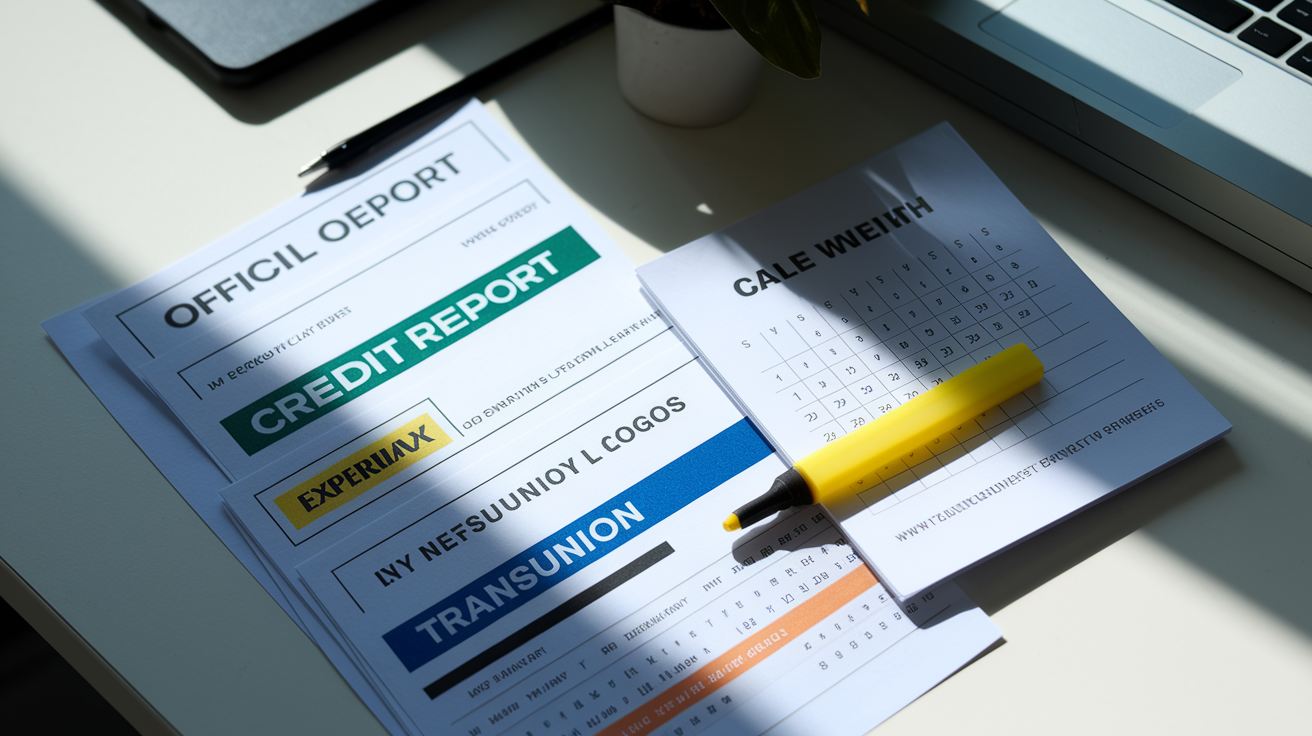
You’re legally allowed one free credit report every 12 months from each of the three major bureaus: Equifax, Experian, and TransUnion. The only government-approved source is AnnualCreditReport.com. Most people check once yearly, but here’s a trick: stagger your requests and pull one bureau every four months. That way you’re monitoring changes three times a year instead of one big annual check. You need all three because each bureau keeps its own file on you, and an error on one report won’t necessarily show up on the others.
All three bureaus organize things differently, but they include the same basic sections: personal information (name, addresses, SSN, date of birth), account history (every credit card, loan, and credit line you’ve ever had), public records (bankruptcies, tax liens, judgments), and credit inquiries (who’s been checking your report). Equifax groups accounts by type. Experian gives you detailed account summaries with dates and balances. TransUnion tends to list everything chronologically. When you open a report, scan personal information first for SSN or name mismatches, then move to the account list and check ownership, balances, and status for every single tradeline.
Look for things like accounts you never opened, balances that don’t match what you know you owe, duplicate entries for the same debt, accounts showing “open” when you closed them back in 2022, payment histories showing late marks you know didn’t happen. Once you spot an error, you file a separate dispute with each bureau that’s reporting it. You can’t fix all three reports with one dispute. You contact Equifax, Experian, and TransUnion individually.
Here’s what you do right now:
- Pull reports from all three bureaus and review them side by side.
- Highlight or print the sections with errors, noting account name, number, and exactly what’s wrong.
- Gather supporting documents: bank statements, payment receipts, settlement letters, or proof of identity if fraud’s involved.
- File disputes online through each bureau’s dispute portal, or send certified mail with return receipt if you want a paper trail.
- Keep copies of everything and note the date, method, and tracking number for follow-up.
Understanding Credit Report Inaccuracies and What Counts as Wrong Information
An inaccuracy is any piece of information that doesn’t match reality. Could be an account you didn’t open, a balance that’s higher than it should be, or a negative mark that belongs to someone else. Not all negative items are inaccurate. If you actually missed a payment and the creditor reported it correctly, it’s negative but true, and it stays on your report. The distinction matters because you can only remove incorrect or unverifiable information, not accurate bad marks.
Mixed credit files happen when someone with a similar name, address, or partial SSN gets merged into your file. More common than you’d think. This can pull in tradelines, late payments, even bankruptcies that aren’t yours. Outdated items show up all the time: collections that should’ve aged off after seven years but are still there, or accounts that were closed and paid years ago but still appear open and delinquent. Fraudulent accounts opened by identity thieves count as inaccuracies, and bureaus must remove them once you provide an identity-theft report and supporting documentation.
Most common error categories:
Duplicate tradelines: Same debt reported twice, sometimes by the original creditor and the collection agency.
Wrong personal information: SSN, name spelling, previous addresses you never lived at.
Incorrect account status: Marked “open” when closed, or “charge-off” when paid in full.
Wrong date of last activity: This resets the seven-year clock and can keep an old debt reporting longer than the law allows.
Fraudulent accounts: Credit cards, loans, or lines you never applied for.
Payment history errors: Late payments that were actually on time, or missing payments that never occurred.
How to Interpret Credit Report Formatting Across All Three Bureaus

Each bureau uses a different layout, so the same account can look very different depending on which report you’re reading. Experian tends toward summary-style with a top-level scorecard, then breaks out each account with open/close dates, payment history grids, and account remarks. Equifax groups tradelines by category (revolving, installment, mortgage) and lists payment history as a timeline of status codes. TransUnion often shows more narrative-style account detail with remarks written in full sentences and a separate section for negative items.
When you pull all three, compare the same account across each report. Look at account number, balance, date opened, date of last activity, payment status. If Experian shows a balance of 1,200 but Equifax shows 0, one of them is wrong. If TransUnion lists an account as “open” but you closed it in 2022, that’s an error. The formatting differences don’t change the facts. Your job is to match the facts to your own records and flag anything that doesn’t line up.
| Bureau | What to Check | Common Formatting Differences |
|---|---|---|
| Experian | Account summary, payment grid, remarks | Top scorecard, grid-style payment history, detailed account remarks |
| Equifax | Account groupings, status codes, date ranges | Groups by type (revolving, installment), timeline codes, separate inquiries section |
| TransUnion | Narrative account details, negative-items list, personal info | More narrative style, separate “potentially negative” section, full-sentence remarks |
Documentation Needed to Remove Inaccurate Items From a Credit Report

Credit bureaus and furnishers won’t remove an item just because you ask. You need to prove it’s wrong. The stronger your documentation, the faster the error gets corrected. Gather everything that shows the account isn’t yours, the balance is wrong, the payment was made, or the item shouldn’t be reporting at all.
Required and supportive documents:
Copy of the credit report page(s) with the disputed item highlighted or circled.
Government-issued photo ID (driver’s license, passport) to verify your identity.
Proof of current address (utility bill, lease agreement, bank statement with your address).
Account statements or payment history showing the correct balance or payment dates.
Payment receipts, canceled checks, or bank transaction records proving you paid on time or paid in full.
Settlement letters from the creditor confirming the account was settled or paid.
FTC identity-theft report or police report if the account is fraudulent.
Organize your evidence chronologically and label each document clearly. If you’re disputing a balance, attach the statement that shows the real balance. If you’re disputing a late payment, attach the bank record showing the payment cleared on time. Keep all originals for yourself and send only copies. Never mail your driver’s license or an original bank statement. If you’re mailing disputes, make a full copy of the entire package before you send it so you have a record of exactly what the bureau received.
Step-by-Step Dispute Process With Each Credit Bureau

Each bureau accepts disputes through its own online portal, by phone, or by certified mail. Filing online is fastest, but many people prefer mail because it creates a paper trail with a certified receipt. Whichever method you choose, you must file a separate dispute with every bureau that lists the error. If all three show the same mistake, that’s three separate disputes.
Disputing With Experian
Log into the Experian Dispute Center at experian.com/disputes or send a letter to Experian, P.O. Box 4500, Allen, TX 75013. Online disputes walk you through a form where you select the account, choose the dispute reason from a dropdown, and upload documents. If you mail your dispute, include your full name, current address, date of birth, last four digits of your SSN, a copy of your report with the error highlighted, a clear written explanation of why the item is wrong, and copies of supporting documents.
Reference the exact account name and number from your report.
State the specific error. “This account shows a balance of 3,200 but the correct balance is 0 as of the settlement letter dated March 2023.”
Attach proof and request deletion or correction.
Send by certified mail with return receipt and keep the tracking number.
Disputing With Equifax
File online at equifax.com/personal/credit-report-services or mail to Equifax Information Services LLC, P.O. Box 740256, Atlanta, GA 30374. Equifax’s online dispute system lets you select multiple items in one session, but each item still requires its own explanation and supporting upload. For mail disputes, format your letter the same way you would for Experian: full contact info, highlighted report pages, explanation, and proof.
List each disputed item by creditor name and account number.
Explain what’s wrong in one or two sentences per item.
Attach copies of statements, receipts, or identity-theft reports.
Request that Equifax investigate, correct, or remove the inaccurate information.
Disputing With TransUnion
Use the online dispute center at transunion.com/credit-disputes or mail to TransUnion LLC, Consumer Dispute Center, P.O. Box 2000, Chester, PA 19016. TransUnion’s portal is similar to the others: select the item, describe the issue, upload files. Mail disputes should include the same documentation package: name, address, DOB, SSN (last four), report excerpt, explanation, and supporting documents.
Reference the account number exactly as it appears on your TransUnion report.
State the reason for dispute clearly. “Account listed as open, closed in 2022” or “Balance incorrect, paid in full per attached receipt.”
Include copies of all relevant proof.
Request written confirmation of the outcome.
| Bureau | Online | Notes | |
|---|---|---|---|
| Experian | experian.com/disputes | P.O. Box 4500, Allen, TX 75013 | Upload docs online or send certified mail |
| Equifax | equifax.com/personal/credit-report-services | P.O. Box 740256, Atlanta, GA 30374 | Can dispute multiple items in one session |
| TransUnion | transunion.com/credit-disputes | P.O. Box 2000, Chester, PA 19016 | Requires report excerpt and supporting files |
How to Write Dispute Letters That Lead to Faster Removals

A good dispute letter is short, specific, and backed by proof. Bureaus process thousands of disputes every day, so clarity matters. Start with your identifying information at the top: full name, current address, previous addresses if relevant, date of birth, and the last four digits of your Social Security number. Next, reference the report you’re disputing by stating the date you received it or the date printed on the report.
In the body, identify each disputed item by creditor name and account number, then state exactly what’s wrong and what you want corrected. Don’t write a long story. Write one or two sentences per item. For example: “Account ABC123 with XYZ Bank shows a balance of 5,000. I paid this account in full on June 15, 2023, as shown in the attached settlement letter. Please correct the balance to 0 and update the status to paid.” List your enclosures at the bottom, sign and date the letter, and send it by certified mail with return receipt requested.
Six-step structure for an effective dispute letter:
- Header: Your name, address, DOB, last four of SSN, date.
- Subject line: “Dispute of Inaccurate Information on Credit Report.”
- Reference the report: “I’m writing to dispute the following items on my [Bureau Name] credit report dated [Date].”
- List each item: Account name, account number, specific error, requested correction.
- Enclosures: “Enclosed: copy of credit report page, copy of settlement letter, copy of driver’s license.”
- Request and close: “Please investigate these items under the Fair Credit Reporting Act and send me written confirmation of the results. Thank you.”
Filing Disputes Directly With Creditors and Collection Agencies

Bureaus investigate by contacting the furnisher, which is the creditor or collection agency that reported the information. You can also dispute directly with the furnisher, and in some cases that’s faster. Furnishers must investigate disputes they receive and update the bureaus if they find an error. If you’ve got clear proof that the furnisher reported something wrong, send them a letter with the same documentation you sent to the bureaus.
When to Contact the Original Creditor
If the error involves an account you once had but the details are wrong (wrong balance, wrong payment history, wrong closure date), contact the original creditor first. Send a letter to their customer-service or credit-reporting department, include your account number, state the error, attach proof, and request that they notify all three bureaus of the correction. Creditors often fix their own reporting faster than bureaus can force them to, especially if you provide a settlement letter or payment confirmation.
Disputing With Collection Agencies
Collection agencies are required to validate the debt if you request it in writing within 30 days of their first contact. If an account is already on your report and you believe it’s wrong, send a debt-validation letter asking the collector to prove the debt is yours, provide the original creditor’s information, and confirm the amount. If they can’t validate it, they must stop reporting it.
Send your validation request by certified mail within 30 days of the first collection notice if possible.
Include your name, the account number the collector references, and a statement like “I dispute this debt and request validation under the Fair Debt Collection Practices Act.”
Request that they provide the name and address of the original creditor, the amount owed, and proof you owe it.
If they don’t respond or can’t validate, follow up with the bureaus and request removal based on lack of verification.
Investigation Timelines and What Happens After You File a Dispute
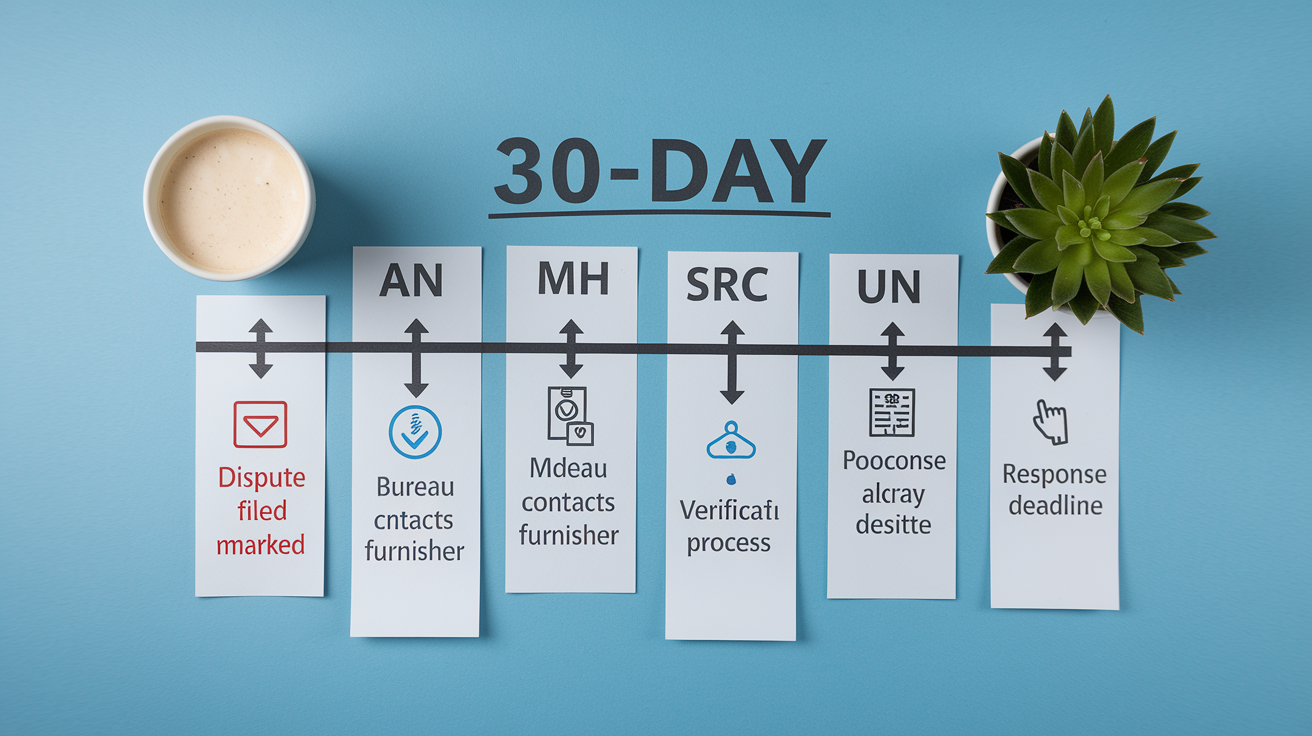
Once a bureau receives your dispute, it has 30 days to investigate and respond. The bureau will contact the furnisher and ask them to verify the information. If you send additional relevant documents during that 30-day window, the investigation period can extend to 45 days, but that’s the maximum. The bureau must notify you in writing of the results, and if the item is corrected or removed, you’re entitled to a free updated copy of your report.
Furnishers are legally required to investigate when notified by a bureau. They must review your dispute, check their records, and report back to the bureau with their findings. If they confirm the item is accurate, it stays on your report with a note that it “meets FCRA requirements.” If they can’t verify it or find it’s wrong, they must tell the bureau to correct or delete it.
Possible outcomes after the investigation:
Corrected: The item is updated to reflect accurate information (balance corrected, status changed, date fixed).
Deleted: The item is removed entirely because it couldn’t be verified or was proven inaccurate.
Verified as accurate: The furnisher confirmed the information is correct, so it remains on your report.
If a dispute results in a change, the bureau must send corrected information to anyone who received your report in the past six months (or two years for employment-related reports). You can request a free copy of your updated report within 60 days of the correction to confirm the change went through.
What to Do if Your Credit Dispute Fails
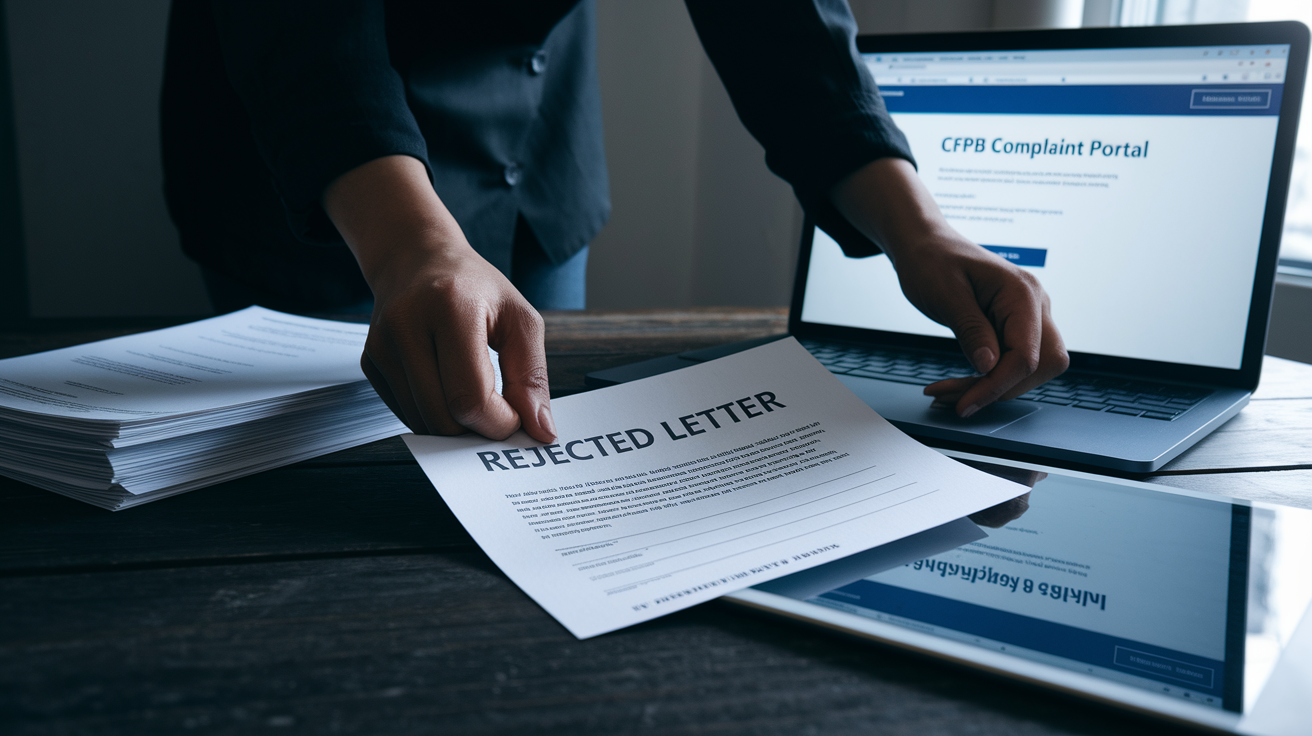
If the bureau comes back and says the item is accurate but you know it’s not, don’t give up. You’ve got several options to push harder. Start by reviewing the bureau’s response letter to see what the furnisher said and whether they provided any documentation. If they didn’t actually verify the item or if their response is vague, you can dispute again with stronger evidence or escalate to a regulator.
Steps to take when a dispute fails:
Send a follow-up dispute with new or more detailed evidence. If you only sent a settlement letter the first time, add bank statements, payment receipts, or a letter from the creditor confirming the account is closed. Explain that the previous investigation was incomplete and request re-investigation.
Add a consumer statement to your credit file. Bureaus allow you to attach a brief explanation (usually up to 100 words) that appears on your report alongside the disputed item. This won’t remove the item, but it tells future lenders your side of the story.
File a complaint with the Consumer Financial Protection Bureau (CFPB). You can submit a complaint online at consumerfinance.gov or by mail. The CFPB will forward your complaint to the bureau and the furnisher and track their response. Many consumers see faster action after filing a CFPB complaint.
Contact your state attorney general or consumer protection office. Some states have stronger consumer-protection laws than federal law, and a state regulator may be able to intervene.
If disputes and complaints don’t work and you have clear proof the item is wrong, consider consulting a consumer attorney who handles Fair Credit Reporting Act (FCRA) cases. The statute of limitations for FCRA claims is generally two years from discovery of the violation or up to five years from the actual violation, depending on your jurisdiction. An attorney can review your records, send demand letters, and file suit if the bureau or furnisher violated your rights. You may be entitled to damages, attorney fees, and removal of the inaccurate item.
Removing Fraudulent Accounts and Identity Theft Items
If you find accounts on your report that you didn’t open, you’re dealing with identity theft. Fraudulent items must be removed once you prove they’re not yours, but the process requires extra steps. Start by placing a fraud alert on your credit files, which tells lenders to verify your identity before opening new accounts. An initial fraud alert lasts one year and is free. If you have an identity-theft report, you can request an extended fraud alert that lasts seven years.
A security freeze goes further. It blocks all access to your credit report until you lift the freeze using a PIN or password. Freezes are free, remain in place until you remove them, and prevent identity thieves from opening new accounts in your name. You can freeze and unfreeze your reports online or by phone with each bureau.
To have fraudulent accounts blocked and removed, you’ll need to file an identity-theft report with the Federal Trade Commission at IdentityTheft.gov and file a police report with your local police department. The FTC report and police report together form your official identity-theft documentation. Send copies of these reports to each bureau along with a letter requesting that the fraudulent accounts be blocked from your file.
Documents and steps for identity-theft disputes:
FTC identity-theft report from IdentityTheft.gov (print or save the PDF).
Police report filed with your local department (get a case number and a copy).
Affidavit or letter stating which accounts are fraudulent and that you didn’t open them.
Copies of your government-issued ID and proof of address.
Certified mail to each bureau requesting a fraud block on the listed accounts and removal from your report.
Special Removal Situations: Collections, Late Payments, Charge-Offs, and Public Records
Not all negative items can be removed just because you want them gone. If a late payment, collection, charge-off, or bankruptcy is accurate, it stays on your report until the normal reporting period expires. Most negative tradelines remain for seven years from the date of first delinquency. Chapter 7 bankruptcies stay for up to ten years. Chapter 13 bankruptcies can remain for seven years. Tax liens and judgments used to stay longer, but as of 2018 the major bureaus stopped reporting most civil judgments and tax liens.
Collections are removable if they’re inaccurate, unverified, or if the collector agrees to delete them as part of a settlement (pay-for-delete). If a collection is reporting but the original account is also still reporting, you may have a duplicate tradeline that should be removed. Late payments can sometimes be removed through goodwill requests if you have a strong payment history otherwise and the late payment was a one-time mistake. Charge-offs are harder to remove unless the creditor reported the wrong amount, wrong date, or wrong account status.
Public records like bankruptcies are reported by the courts and must be accurate. If a bankruptcy was discharged but still shows as active, or if it’s reporting past the ten-year limit, you can dispute it for removal. If a judgment or tax lien is on your report and it’s been satisfied, you can request an update to “satisfied” status, but removal depends on whether the item is still within the reporting window and whether it’s accurate.
| Item Type | Typical Reporting Period | Removal Method | Evidence Needed |
|---|---|---|---|
| Late payments | 7 years from date of delinquency | Dispute if inaccurate, goodwill letter if accurate | Bank records, payment confirmation, goodwill letter |
| Collections | 7 years from original delinquency date | Dispute, pay-for-delete, validation failure | Validation letter, settlement agreement, payment proof |
| Charge-offs | 7 years from charge-off date | Dispute if inaccurate, negotiate removal with creditor | Account statements, settlement letter, payment records |
| Bankruptcy (Chapter 7) | 10 years from filing date | Dispute if past 10 years or showing incorrect status | Discharge papers, court records |
Pay-for-Delete and Goodwill Adjustments: What Works and What Doesn’t
Pay-for-delete is an agreement where you offer to pay a collection account in exchange for the collector removing it from your credit report. It’s not guaranteed and operates in a legal gray area. Furnishers are supposed to report accurate information, so deleting a legitimate debt after payment technically violates that standard. Still, some collectors will agree to it, especially smaller agencies or original creditors who want the account closed. If you negotiate pay-for-delete, get the agreement in writing before you send any money.
Goodwill deletions are requests to remove accurate negative information as a favor. They work best for one-time late payments when you have an otherwise solid payment history. You write a goodwill letter to the creditor explaining what happened, taking responsibility, and asking them to remove the late mark as a courtesy. Creditors aren’t required to honor these requests, and large banks rarely do, but smaller lenders and credit unions sometimes will.
Comparison of goodwill versus pay-for-delete:
Goodwill deletion: For accurate late payments, usually one-time errors. Free, no payment required. Success depends on creditor policy and your payment history.
Pay-for-delete: For collections or charge-offs. Requires payment or settlement. Not all collectors offer it. Get written agreement before paying.
Legal status: Neither is a legal entitlement under FCRA. Both rely on creditor or collector discretion.
Best use case: Goodwill for minor late marks with strong history. Pay-for-delete for small collections or debts you’re willing to settle anyway.
Recordkeeping, Tracking, and Preventing Future Report Errors
Keep copies of every dispute letter, bureau response, supporting document, and certified-mail receipt. If you end up escalating to the CFPB or filing an FCRA lawsuit, your records are your proof. Create a simple dispute log in a spreadsheet or notebook with columns for date sent, bureau or furnisher, dispute method, tracking number, and date of response. This log will help you follow up if you don’t hear back within 30 days and will show a timeline of your efforts if you need to escalate.
After you file a dispute, recheck your credit reports 30 to 45 days later to confirm the correction was made. If the item is still there, follow up immediately with a second dispute or escalation letter. If the item was removed, request a free updated copy of your report to verify the change. Don’t assume the bureau fixed it just because they sent a letter. Always check the actual report.
Recommended tracking and prevention practices:
Send all disputes by certified mail with return receipt, and keep the tracking number and receipt in your records.
Save copies of every dispute package before you mail it, including highlighted report pages and all attachments.
Create a dispute timeline log with dates sent, method, bureau or furnisher name, and response received.
Recheck your reports 30 to 45 days after filing each dispute to confirm corrections or follow up if nothing changed.
Pull your credit reports at least once a year from all three bureaus, and more often if you’ve recently disputed items, applied for credit, or suspect identity theft.
Final Words
In the action, you learned how to pull your free reports, read each bureau’s layout, spot mixed files or wrong balances, and gather the documents that prove an error.
You saw step-by-step dispute methods for Experian, Equifax, and TransUnion, when to contact creditors, expected timelines, and what to do if a dispute fails. Options include submitting stronger evidence, adding a consumer statement, filing a CFPB complaint, or seeking legal review.
Use the checklists and keep records as you follow how to remove inaccurate items from my credit report. Stick with it — small fixes add up and progress comes.
FAQ
Q: How do I remove incorrect items from my credit report and correct inaccurate information?
A: Removing incorrect items and correcting inaccurate information starts by getting your free reports from Equifax, Experian, and TransUnion, noting errors, collecting proof, then filing separate disputes with each bureau and attaching documents.
Q: What is the 609 loophole?
A: The 609 loophole refers to a claim that citing section 609 of the FCRA forces removals, but it’s mostly a myth, and accurate items stay unless you prove an error through formal disputes.
Q: How can I get things removed from my credit report fast?
A: Getting items removed fast means filing clear disputes with solid evidence, sending certified mail if you can, following each bureau’s process, and escalating to the creditor or the CFPB if results lag.