


Think a missed student loan payment ruined your credit for good?
It doesn’t have to.
Act fast: pull your free credit report, call your loan servicer, and pay whatever overdue amount you can afford.
Those three moves stop the bleeding faster than anything else.
In this guide I’ll walk you through the exact steps to take in the first 48 hours, explain how rehabilitation and consolidation change what shows on your report, and show how to handle private loan defaults so you can rebuild credit that actually works and opens real options.
Immediate Credit Recovery Steps After Missed Student Loan Payments
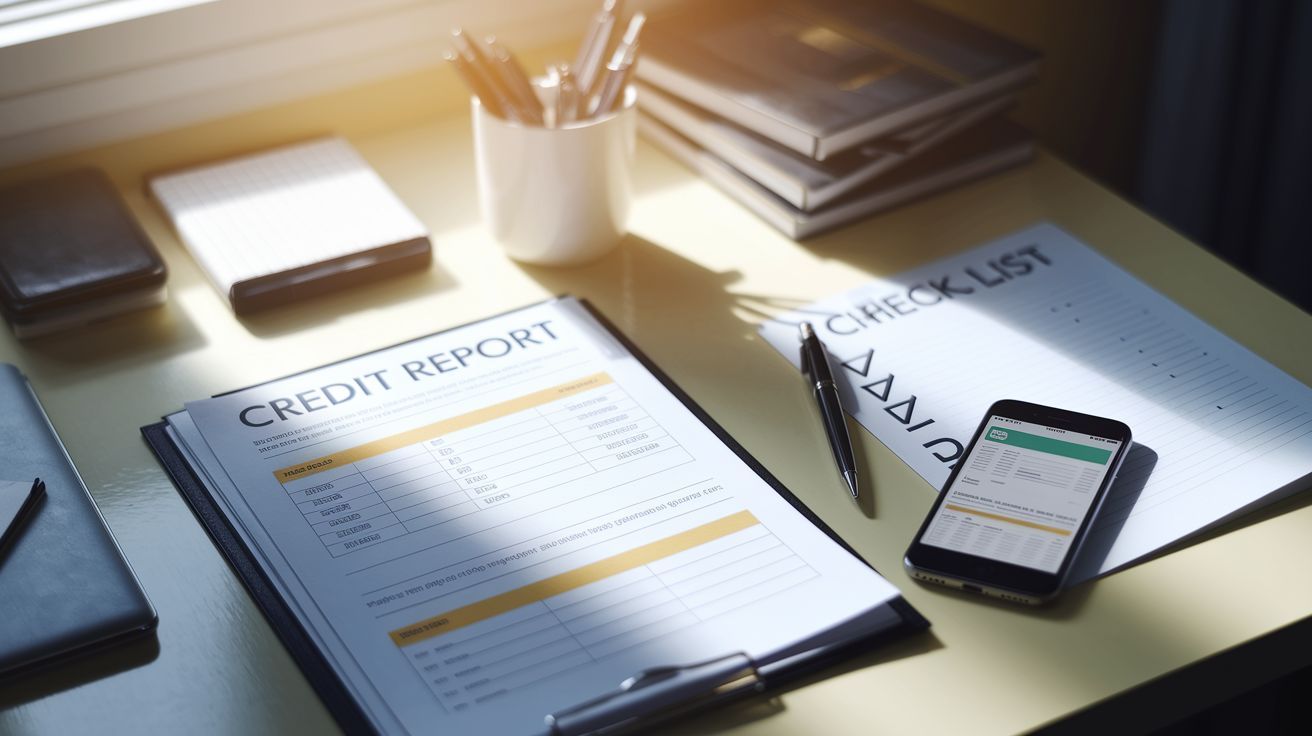
Pull your free credit report right now. Call your servicer before the day ends. Catch up on whichever overdue payment you can actually afford. Those three moves stop the bleeding faster than anything else when you’re trying to rebuild credit after missing student loan payments.
Private lenders usually report missed payments to the bureaus at 30 days late. Federal servicers tend to wait until 90 days. Once it’s reported, that late mark can sit on your credit report for up to 7 years. Default kicks in at 270 days delinquent, and that’s when wage garnishment starts, your tax refunds get seized, and your score drops hard enough that lenders see you as high risk.
Here’s what to do in the first 48 hours:
Contact your loan servicer or lender right away. Ask about payment plans, forbearance, or temporary hardship programs they might offer. Pay the oldest missed payment first if you can only cover one. That account’s closest to sliding into worse delinquency. Enroll in autopay so future payments process automatically and you’re not piling on new late marks. Ask if you can change your monthly due date to match when you actually get paid, making it easier to have funds ready. Check whether you qualify for an income-driven repayment plan that caps your payment based on what you earn. Pull your free credit report at AnnualCreditReport.com to see exactly what’s being reported and spot any errors you can dispute.
Within 90 days of resuming on-time payments, you’ll probably see small score improvements if you stay current. The damage won’t vanish overnight. But consistent on-time payments reduce how much weight those old late marks carry, and your payment history percentage starts shifting the right direction.
How Credit Scoring Models Weigh Student Loan Delinquencies

Payment history accounts for 35% of your credit score. That makes it the heaviest single factor in both FICO and VantageScore calculations. Student loans are installment accounts, which means fixed monthly payments over a long stretch, often 10 to 25 years. Because these accounts carry large balances and last for years, scoring models treat missed payments on student loans as serious red flags about your financial reliability. Older accounts amplify this effect. If you’ve had a student loan open for five years and suddenly miss payments, the models interpret that shift as a big warning sign, more so than if you missed a payment on a brand-new credit card.
Delinquencies on long-term, high-balance accounts hit harder than those on smaller or newer accounts. The models assume you had established stability and then broke it. FICO weighs payment recency and frequency, so one 90-day late mark hurts more than three separate 30-day lates spread across months. VantageScore looks at trends and recent behavior. A sudden cluster of late payments can drop your score faster than gradual deterioration. Both models penalize installment-loan delinquencies harder when the account has a long history. Losing ground on an established account signals bigger financial trouble than stumbling on something new.
| Factor | Why It Matters |
|---|---|
| Payment history weight | 35% of score; late student loan payments directly reduce the largest scoring component |
| Installment loan type | Long-term fixed payments and high balances make delinquencies appear riskier to lenders |
| Account age amplification | Older accounts carry more weight; breaking a multi-year on-time streak signals sudden instability |
Federal Student Loan Rehabilitation as a Credit Rebuilding Tool
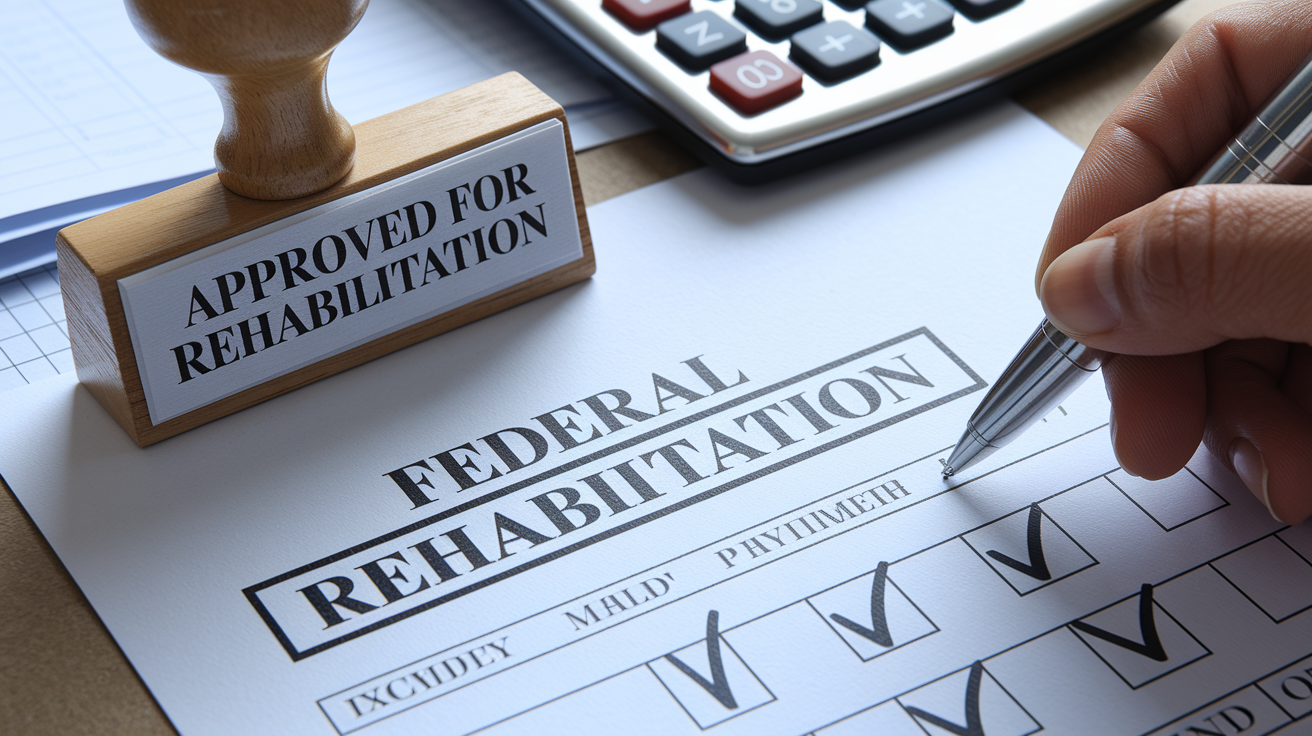
Federal loan rehabilitation is a one-time program that lets you remove the default status from your credit report by making nine consecutive on-time payments within ten months. You’re eligible if your federal loan entered default (270 days past due), you haven’t already used rehabilitation once before, and you contact your servicer to request the program. The servicer calculates your payment amount, often around 15% of your discretionary income divided into monthly installments. They may set it as low as 5 dollars if your income’s very low.
Here’s the process:
Contact your loan servicer and tell them you want to enter rehabilitation. They’ll explain eligibility and send enrollment forms. Calculate your income-based payment by gathering recent pay stubs or tax returns. The servicer uses this to set your monthly amount. Enroll by completing the rehabilitation agreement and returning it by the deadline they provide. Make nine consecutive payments, each within 20 days of the due date, and finish all nine within ten months total. Gather documents for each payment. Keep bank statements, payment confirmations, or screenshots showing the payment processed and the date. Once the ninth payment clears, the servicer reports the change to the credit bureaus, removing the default status from your credit report. After rehabilitation completes, your loan moves back to regular repayment. Wage garnishment and Treasury offset stop. You regain eligibility for deferment, forbearance, income-driven plans, and forgiveness programs.
Once the default mark’s removed, your credit score can start recovering. The late payments that led up to default will still appear on your report for up to 7 years. But the “default” classification itself gets deleted, which cuts down how much lenders penalize you. Scoring models see the account as current again, and your payment history percentage begins improving with each on-time payment moving forward.
Expect the reporting change to take 30 to 60 days after you complete the ninth payment. Servicers need time to process the rehabilitation internally and then notify the three major credit bureaus. If you don’t see the update within 60 days, contact your servicer and ask for written confirmation that they reported the change. Follow up with the bureaus directly if needed.
Using Consolidation to Restart Payment History After Loan Delinquency

Consolidation combines multiple federal loans into one new Direct Consolidation Loan with a single monthly payment. If your loans are in default, consolidation removes the default status right away, stops wage garnishment and tax offsets, and creates a fresh payment record. The catch? Consolidation doesn’t erase the history of late payments that already hit your credit report. Those stay for up to 7 years. But it does give you a clean starting point for building new on-time payment history going forward.
Consolidation gets you out of default faster than rehabilitation. No nine-month waiting period. But it doesn’t remove the default notation from your report the same way rehabilitation does. Rehabilitation deletes the default mark entirely after completion. Consolidation leaves the old default visible but shows the new loan as current. For credit scoring, that difference matters. Lenders will still see you defaulted in the past, even though your current loan’s in good standing. Long-term, consolidation can hurt if you originally had loans with better interest rates or borrower benefits like interest-rate discounts or principal rebates. Those perks don’t transfer to the new consolidated loan.
Pros:
Exits default right away without a nine-month rehabilitation timeline. Stops wage garnishment and Treasury offset as soon as the consolidation finalizes. Creates one monthly payment instead of juggling multiple servicers and due dates.
Cons:
Doesn’t remove the default notation from your credit report, only changes loan status to current. You lose any favorable interest rates or borrower benefits tied to your original loans. Can raise your weighted average interest rate if your old loans had lower rates.
Repairing Credit After Private Student Loan Default

Private lenders report delinquencies to credit bureaus as early as 30 days after a missed payment. Most private loans enter default after 120 days of non-payment, though the exact timeline depends on your lender’s contract terms. Once in default, private loans often get sent to third-party collection agencies. They report the account as a collection on your credit report, adding another negative mark on top of the original late payments.
Here’s how to start repairing credit with a defaulted private loan:
Contact your original lender or the collection agency that now owns the debt. Confirm the current balance, interest accrued, and who legally holds the account. Negotiate a settlement or payment plan. Many collectors will accept a lump sum for less than the full balance or agree to monthly installments that restart your payment history. Ask for a pay-for-delete agreement in writing before you pay. Some collectors will remove the collection from your credit report if you pay in full or settle, though this isn’t guaranteed and not all agencies agree to it. Verify ownership by requesting written proof that the collector has the legal right to collect the debt. Don’t pay anyone who can’t provide documentation tying them to your loan. Document every phone call, email, and payment confirmation. Keep copies in a separate folder so you have evidence if disputes arise later.
Settling a private loan for less than you owe will still show as “settled” rather than “paid in full” on your credit report. Scoring models treat settlements as less favorable than paying the full amount. If you can afford to pay in full, that’s better for your score long-term. If settlement’s your only realistic option, it’s still better than leaving the account in collections indefinitely. It stops the balance from growing and gives you a resolved status instead of an active unpaid debt.
Private lenders rarely offer formal rehabilitation programs like federal loans do. Some may have hardship or workout plans if you contact them before default. But once the loan goes to collections, your options shrink to settlement, payment plan, or paying in full. If you’re early in delinquency, say 60 or 90 days late but not yet in default, call the lender right away and ask about forbearance, modified payment schedules, or temporary interest-only payments to avoid default altogether.
Disputing Student Loan Errors to Restore Credit Faster
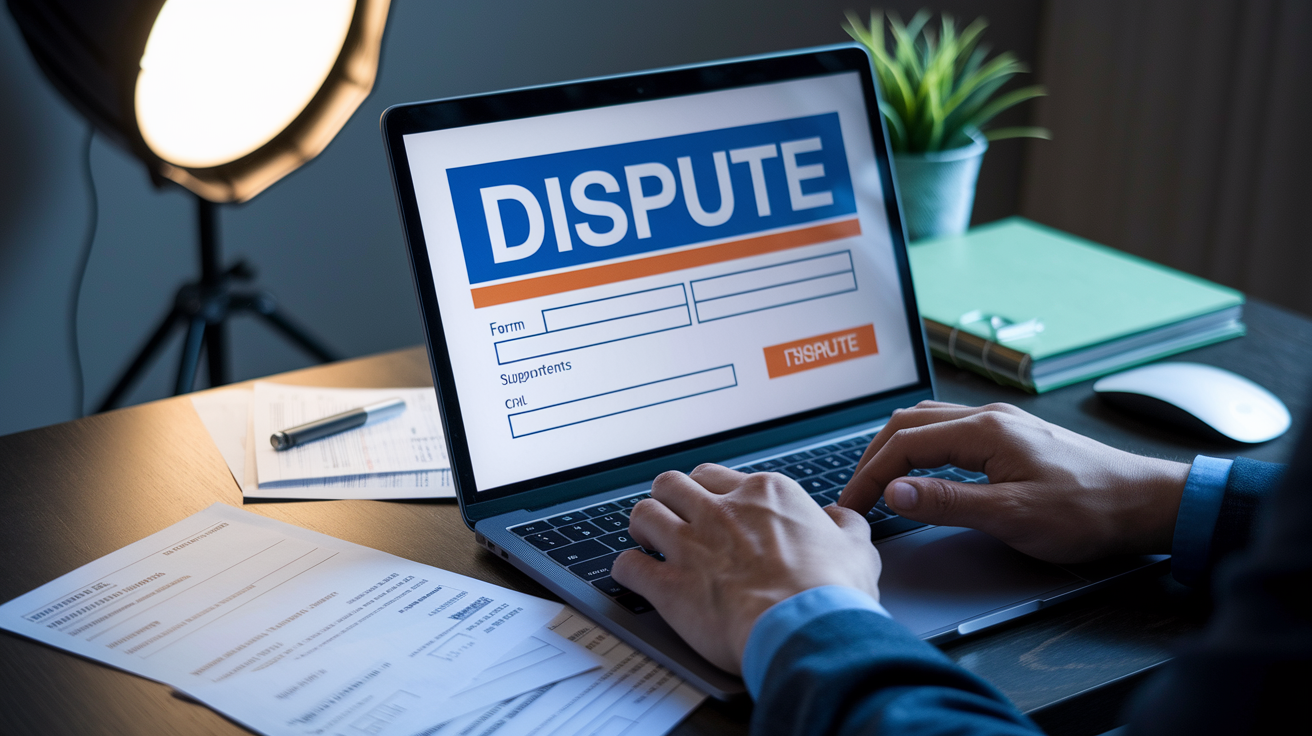
Under the Fair Credit Reporting Act, you can dispute any inaccurate information on your credit report. The credit bureaus must investigate your dispute within 30 days. If a late payment was reported incorrectly, maybe you made the payment on time but the servicer recorded it late, or a payment got lost in processing, you can challenge it and potentially get it removed. Servicers require you to submit a formal dispute, usually through a specific form that includes your account number or Social Security number, the dates of the disputed late payments, and any supporting evidence you have.
When the servicer or bureau delays their response or doesn’t investigate properly, file a complaint with the Consumer Financial Protection Bureau. The CFPB tracks complaints and often prompts faster action from servicers and bureaus than repeated phone calls or letters alone. If the investigation confirms your payment was on time or the late mark was an error, the bureaus update your report and your score can improve within the next reporting cycle.
Include these documents with every dispute:
Payment confirmation receipts showing the transaction date, amount, and account number for the months in question. Monthly account statements from your bank proving the payment cleared before or on the due date. Email or mail correspondence with the servicer that references the payment or any acknowledgment they received it. The servicer’s official credit dispute form, completed with your identifying information and specific details about which late payment you’re disputing. A copy of your driver’s license or other government ID to verify your identity and prevent processing delays.
Rebuilding Positive Credit History While Managing Student Loans
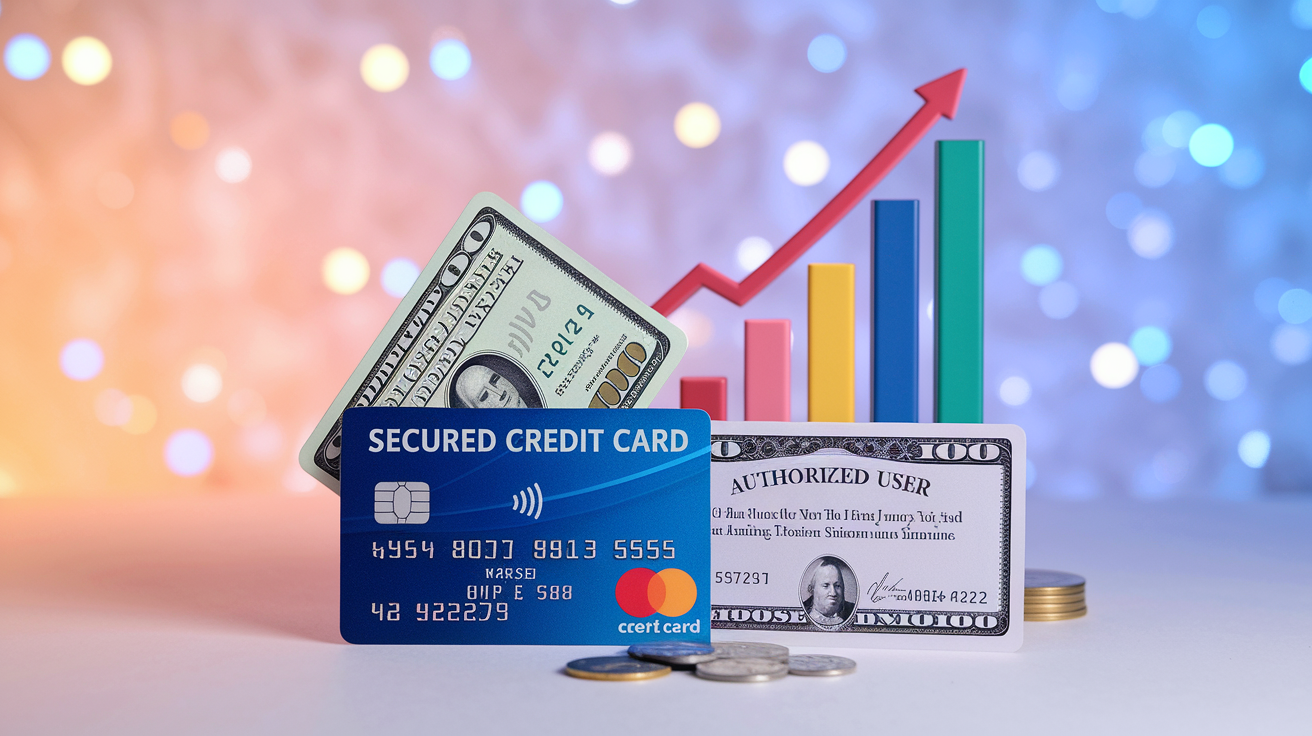
Consistent on-time payments are the foundation of rebuilding credit after missed student loan payments. Payment history makes up 35% of your score. Every month you pay on time adds positive weight to that percentage and gradually reduces how much the old late marks hurt you. At the same time, manage your credit utilization by keeping balances under 30% of your total credit limit, ideally under 10%. Utilization accounts for 30% of your score, and high balances signal risk to scoring models even when you’re making payments.
Secured credit cards, credit-builder loans, and becoming an authorized user on someone else’s account are three tools that help you add positive payment history without taking on risky debt. A secured card requires a cash deposit (often 200 to 500 dollars) that becomes your credit limit. You use it for small purchases, pay it off in full each month, and the issuer reports those on-time payments to the bureaus. Credit-builder loans work by holding your loan amount in a savings account while you make monthly payments. Once you’ve paid off the loan, you get the money back, and your credit report shows a fully paid installment account. Authorized user status lets you benefit from someone else’s established credit history. If they have a long account with perfect payments, those payments appear on your report too. You should only do this with someone who pays reliably.
A mix of credit account types, installment loans like student loans plus revolving accounts like credit cards, improves your score gradually. It shows lenders you can handle different kinds of credit responsibly. Scoring models reward diversity, so adding a secured card or a small credit-builder loan alongside your student loans can lift your score faster than just paying the loans alone.
Best Practices for Responsible New Credit
Avoid carrying high balances on any new credit card or line of credit, even if you’re paying on time. Maxing out a 300-dollar secured card every month still shows 100% utilization. That drags your score down despite the on-time payments.
Space out new credit applications by at least three to six months. Opening multiple accounts in a short window triggers the “new credit” component of your score, which accounts for 10%, and creates a temporary dip that can take several months to recover.
Make mid-cycle payments on your credit cards. Paying down balances before the statement closing date lowers the balance your card issuer reports to the bureaus. This directly improves your utilization ratio without changing how much you actually spend.
Keep old accounts open even if you don’t use them much. Closing accounts shortens your average credit history (which is 15% of your score) and reduces your total available credit, raising your utilization ratio if you carry any balances elsewhere.
Preventing Future Missed Student Loan Payments

Set up autopay through your loan servicer so payments process automatically on the due date every month. This eliminates the risk of forgetting or missing the deadline. Most servicers offer a small interest-rate reduction, typically 0.25%, when you enroll in autopay. That saves money and protects your credit at the same time. If your pay schedule doesn’t align with your current due date, call your servicer and request a due-date change to one that falls a few days after you get paid. That makes it easier to have funds available when the payment processes.
Build a simple monthly budget that lists your income, fixed bills including your student loan payment, and variable expenses like groceries and gas. Knowing exactly how much you need for bills each month helps you spot shortfalls early and adjust spending before you miss a payment. Start an emergency fund with a goal of 500 dollars, then work toward saving one paycheck’s worth of expenses, and eventually aim for three to six months of living costs. Even a small cushion prevents one unexpected car repair or medical bill from forcing you to choose between paying your loan and covering an emergency.
Six habits that prevent long-term payment problems:
Transfer 10 dollars per week automatically into a separate savings account labeled “emergency fund” so you build the habit without thinking about it. Review your loan statements every month to catch errors, confirm payments posted correctly, and stay aware of your remaining balance. Keep your student loan payment money in a separate checking account that you don’t use for daily spending. This reduces the temptation to spend it before the due date. Set up calendar reminders three days before your due date as a backup check, even if you use autopay, so you can verify funds are available. Contact your servicer right away if you anticipate missing a payment. Ask about deferment, forbearance, or a temporary payment reduction before the due date passes. Track your credit score monthly using a free tool from your bank or credit card issuer. Watching it improve reinforces the habit of staying current and alerts you quickly if something reports incorrectly.
Final Words
Rebuilding credit after missed student loan payments takes time, but every on-time payment from here forward moves you closer to recovery.
Start with the immediate steps—contact your servicer, catch up if possible, and pull your free credit report to see where you stand. Then choose the right path: rehabilitation for federal defaults, consolidation if you need a faster exit, or negotiation if your loans are private.
While you’re repairing the damage, build new positive history with autopay, a secured card, or a credit-builder loan. Check your reports for errors and dispute anything that’s wrong.
Stay consistent, protect yourself with an emergency fund, and give it time. Your score will climb.
FAQ
Q: How to fix credit after missed student loan payment?
A: You fix credit after a missed student loan payment by catching up the past-due amount, enrolling in an income-driven plan or rehab if eligible, turning on autopay, disputing errors, and checking your credit reports.
Q: What is the 7 year rule for student loans?
A: The 7 year rule means late student loan payments can stay on your credit report for up to seven years; private lenders may report after 30 days, while federal servicers often report after 90 days.
Q: Can you have a 700 credit score with missed payments? Will one missed student loan payment affect credit?
A: You can still have a 700 score after one missed student loan payment, but a reported late payment (30–90 days) usually lowers your score; the amount depends on your overall credit history and balances.